One Day in Amsterdam: A Choose-Your-Own-Adventure Itinerary
Amsterdam at First Glance
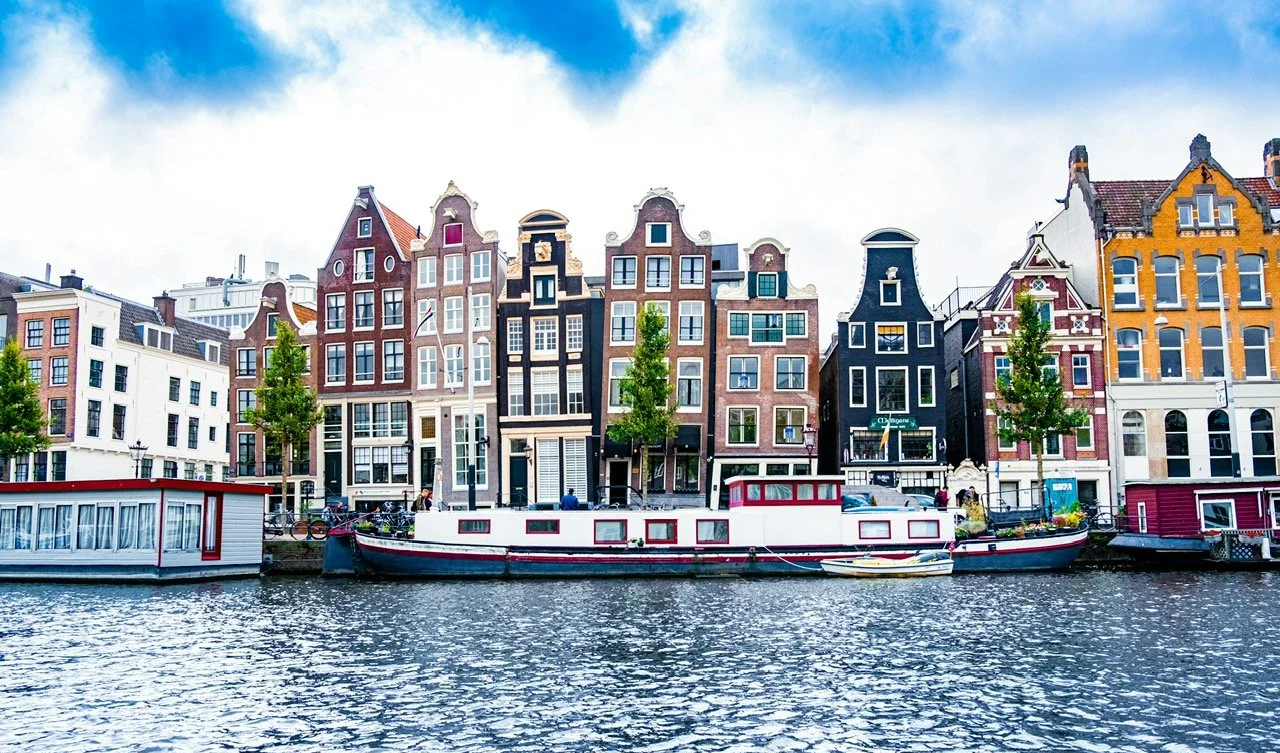
Amsterdam is one of those cities that feels instantly charming—and slightly overwhelming at the same time.
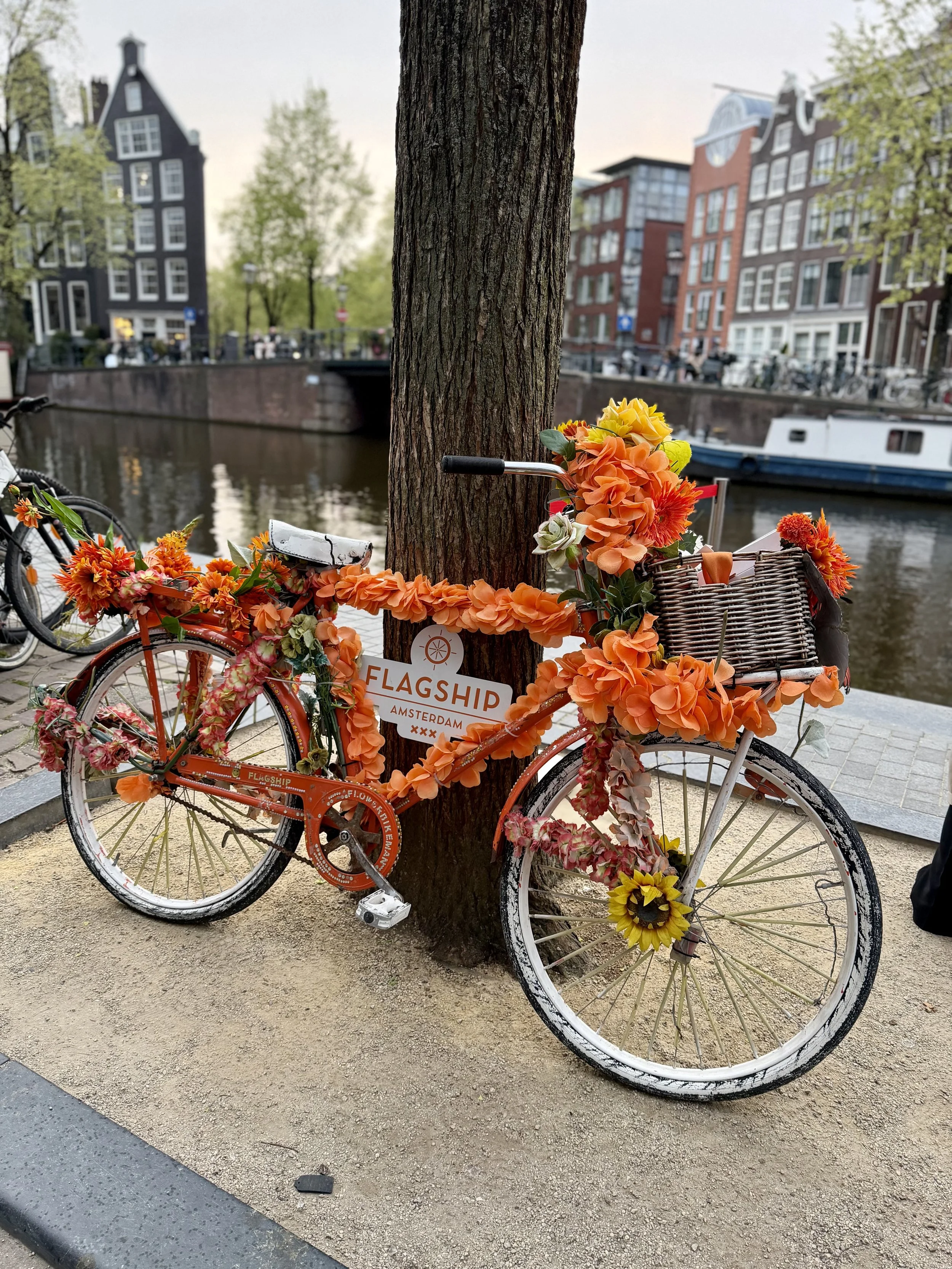
Yes, it has canals that look like they were designed for postcards. The buildings lean just enough to give them character. And the bikes? They’re everywhere, moving with the confidence of people who fully expect you to get out of their way.
But what makes Amsterdam so appealing is that it doesn’t demand one way of experiencing it. You can plan every stop or wander without one and still feel like you’ve seen the city.
It works for solo travelers, couples, families, and groups—because everyone can shape the day a little differently.
And for us, that flexibility made all the difference.
Where to Stay: City Convenience vs. Countryside Charm
This was a girls trip with my childhood penpal from Germany and her two daughters (four women, spanning from late 20s to early 50s), and the mix of ages actually worked perfectly for this kind of flexible itinerary.
We had a short window in Amsterdam, so instead of stretching the city across multiple days, we built one full, intentional day focused on highlights while still allowing space for flexibility. The goal wasn’t to see everything—it was to experience enough that everyone could lean into what interested them most.
Instead of staying in Amsterdam, we based ourselves in a countryside Airbnb in Loosdrecht, about 30–40 minutes away. It was the best option for us: space, quiet canals, cooking together, and a quieter pace at night after a full day of sightseeing.
City vs. Countryside: both options work—it just depends on your travel style.
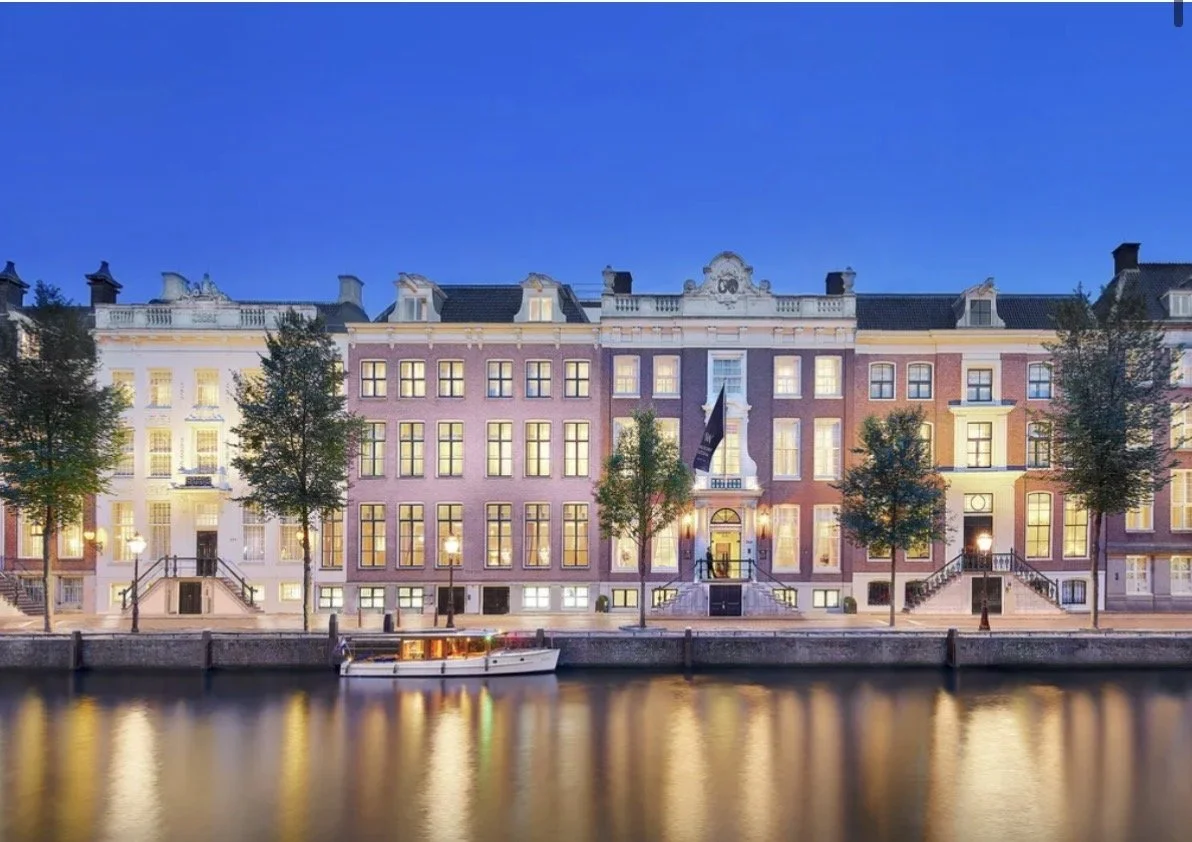
Staying in Amsterdam
Best for convenience
Walkable everything
Ideal for short stays or nightlife-focused trips
Easy access to museums and restaurants
Tradeoff: higher prices and constant activity
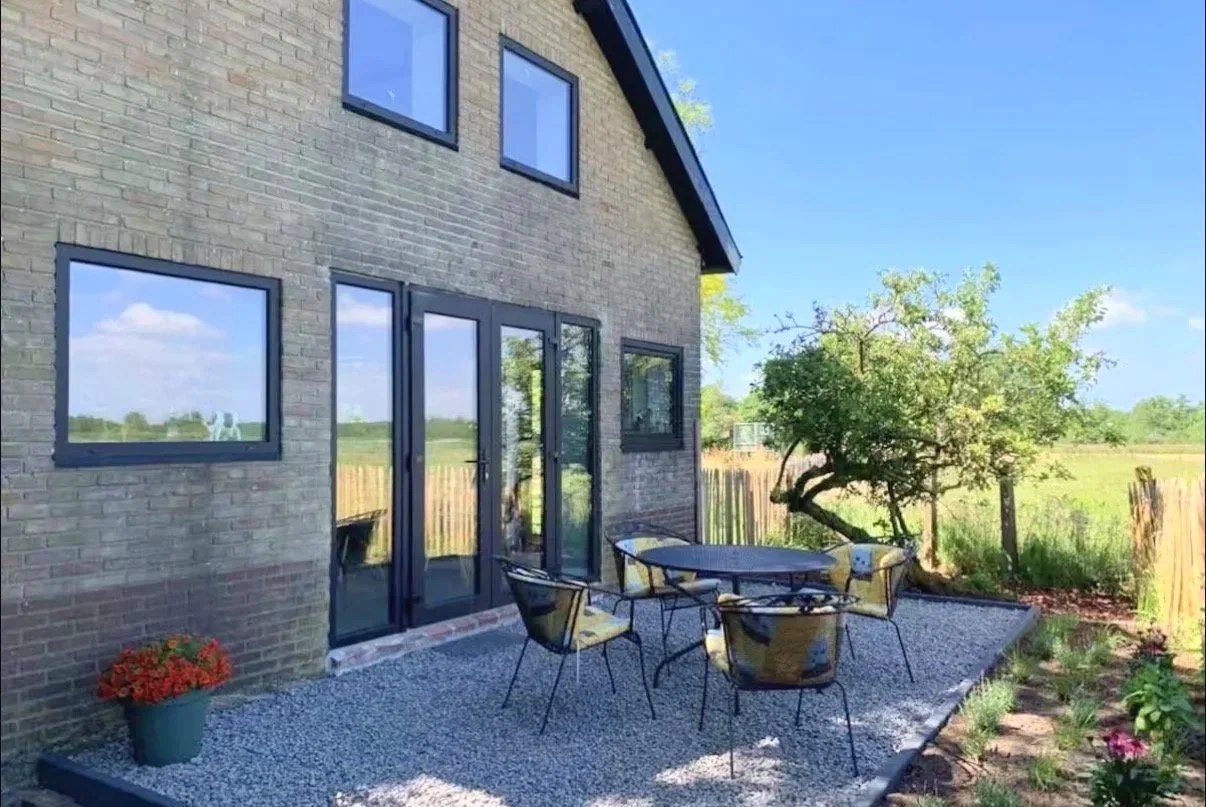
Staying Outside the City
More space and better value for groups
More affordable
Quiet, scenic evenings
A natural “reset” after a busy day in the city
Tradeoff: ~30–45 minutes travel each way
Because we only had one day in Amsterdam, the countryside gave us balance — city energy by day, calm reset at night.
Keukenhof Tulip Gardens (Optional Day Two)
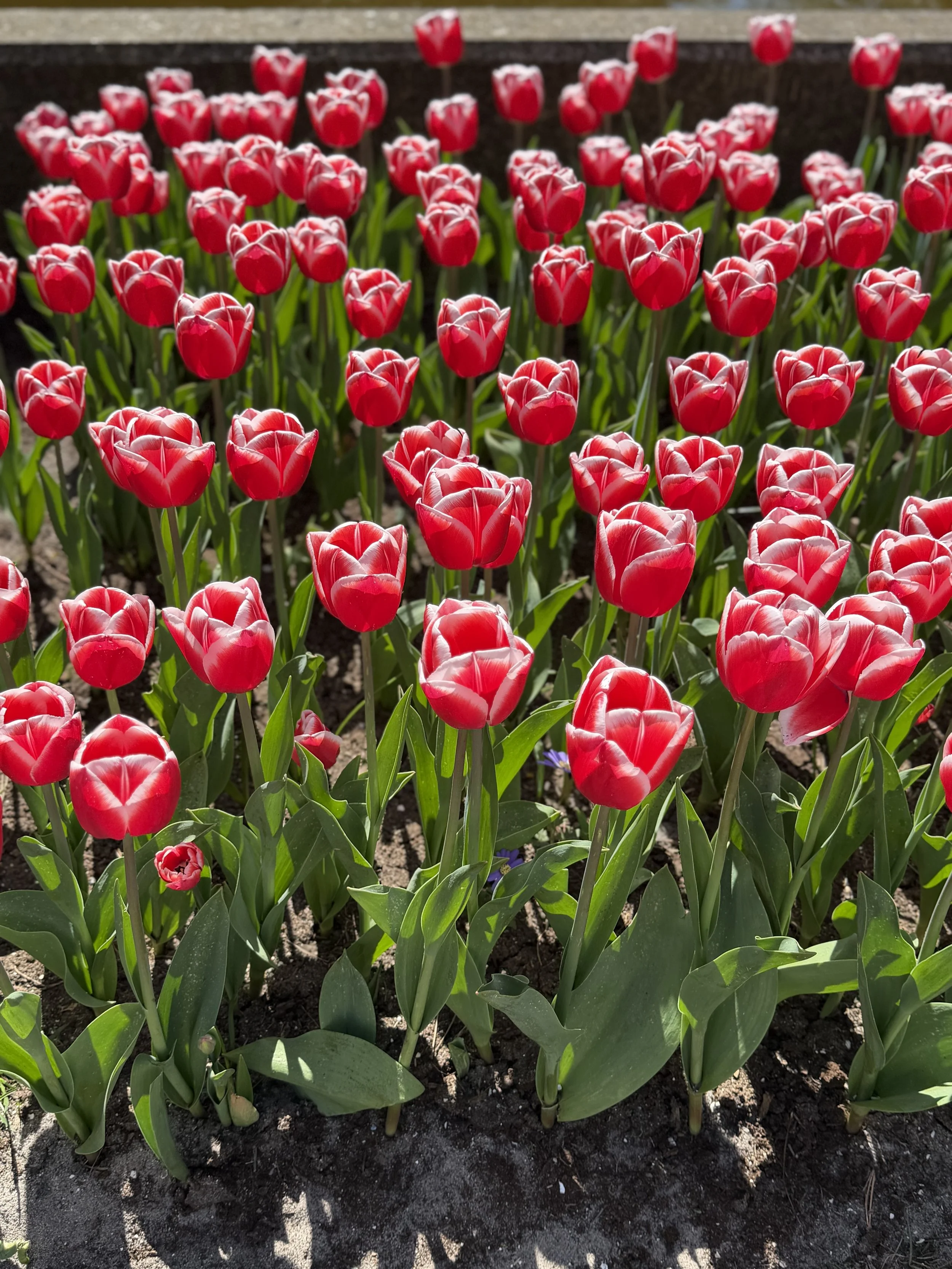
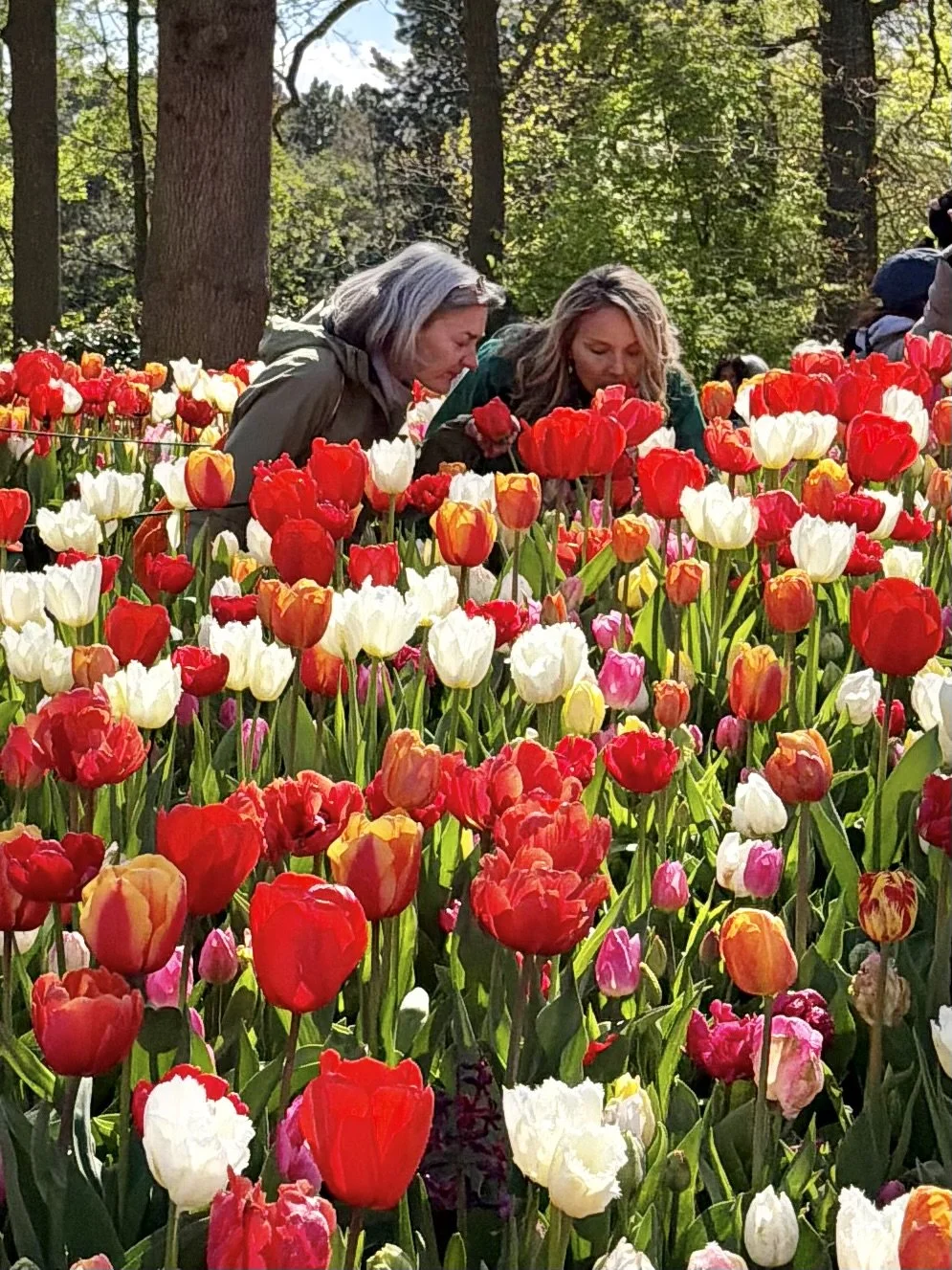
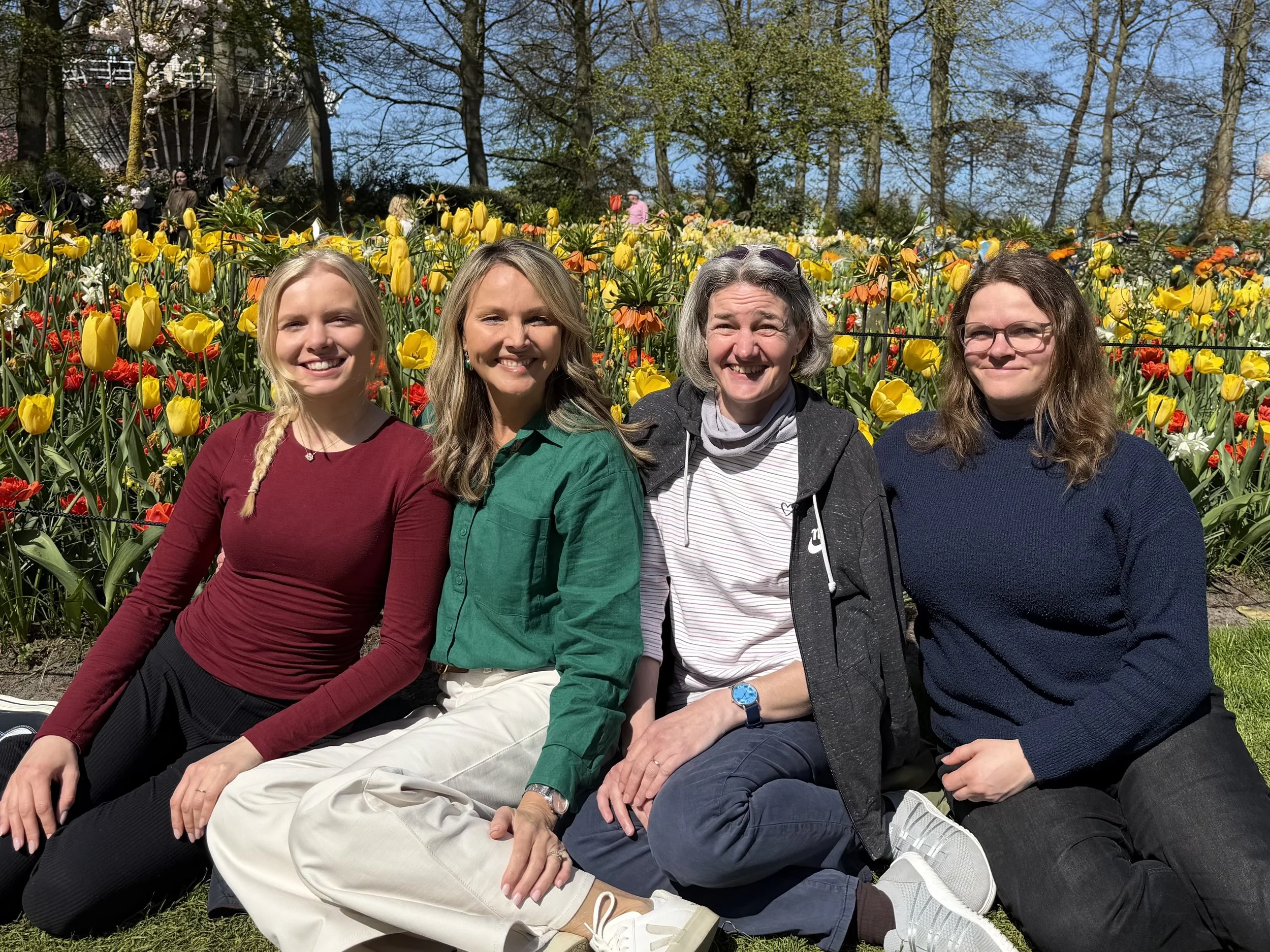
We also spent a second day at the Keukenhof Tulip Gardens, which feels like Amsterdam’s quieter, more floral alter ego.
If you’re visiting in the Spring, it’s one of the most visually stunning places in the Netherlands — endless rows of tulips stretch in every direction, arranged so perfectly it almost feels artificial—except it isn’t.
Interestingly, the two younger women in our group weren’t entirely sold on going at first. Within minutes of arriving, they were fully converted and taking more photos than anyone else. Turns out there’s no age requirement for standing in front of something beautiful and forgetting what you were doing before.
Plan 2–3 hours minimum, longer if you enjoy photography or wandering slowly.

One Day In Amsterdam: The Flex Plan
We arrived in Amsterdam by train in the morning, stepping into Amsterdam Centraal Station—a massive, high-traffic hub that feels less like a typical station and more like a transit hall woven into a shopping center. Inside, you’ll find everything from quick coffee counters to bakeries and grab-and-go food options, making it an easy place to pause and get your bearings.
Before heading out, grab a coffee and a pastry from Back to Black or Coffee Company—something you can take with you.
Then step outside. And immediately—Amsterdam.
Cyclists everywhere. Trams weaving through streets. People moving with purpose in every direction. And straight ahead, the IJ River—the wide body of water behind the station that connects Amsterdam to its harbor.
It’s a very immediate introduction: you are now part of the flow.
With our coffee in hand and our first glimpse of the city behind us, we made our way toward the water just behind the station — ready to see Amsterdam from a slightly different angle.
Cross the IJ to A’DAM Lookout
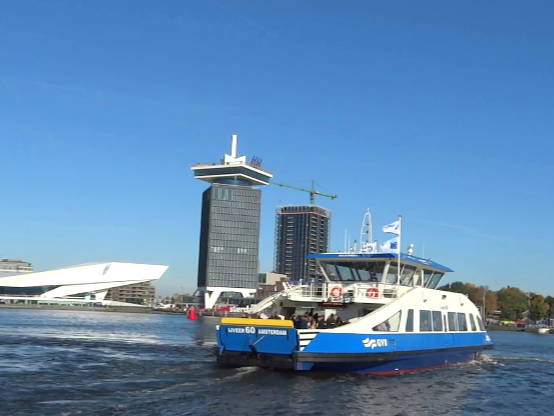
We followed the signs behind Centraal and hopped on the free ferry—one of those rare experiences that feels less like public transportation and more like a bonus attraction.
As we stepped on, I immediately learned my first real Amsterdam lesson: this is a cyclist-first city. My friend had to physically pull me out of the way as a steady stream (okay, a small army) of cyclists rolled onboard. Dozens of them. All moving with purpose. Just a completely normal part of their commute, crossing the IJ to get to work.
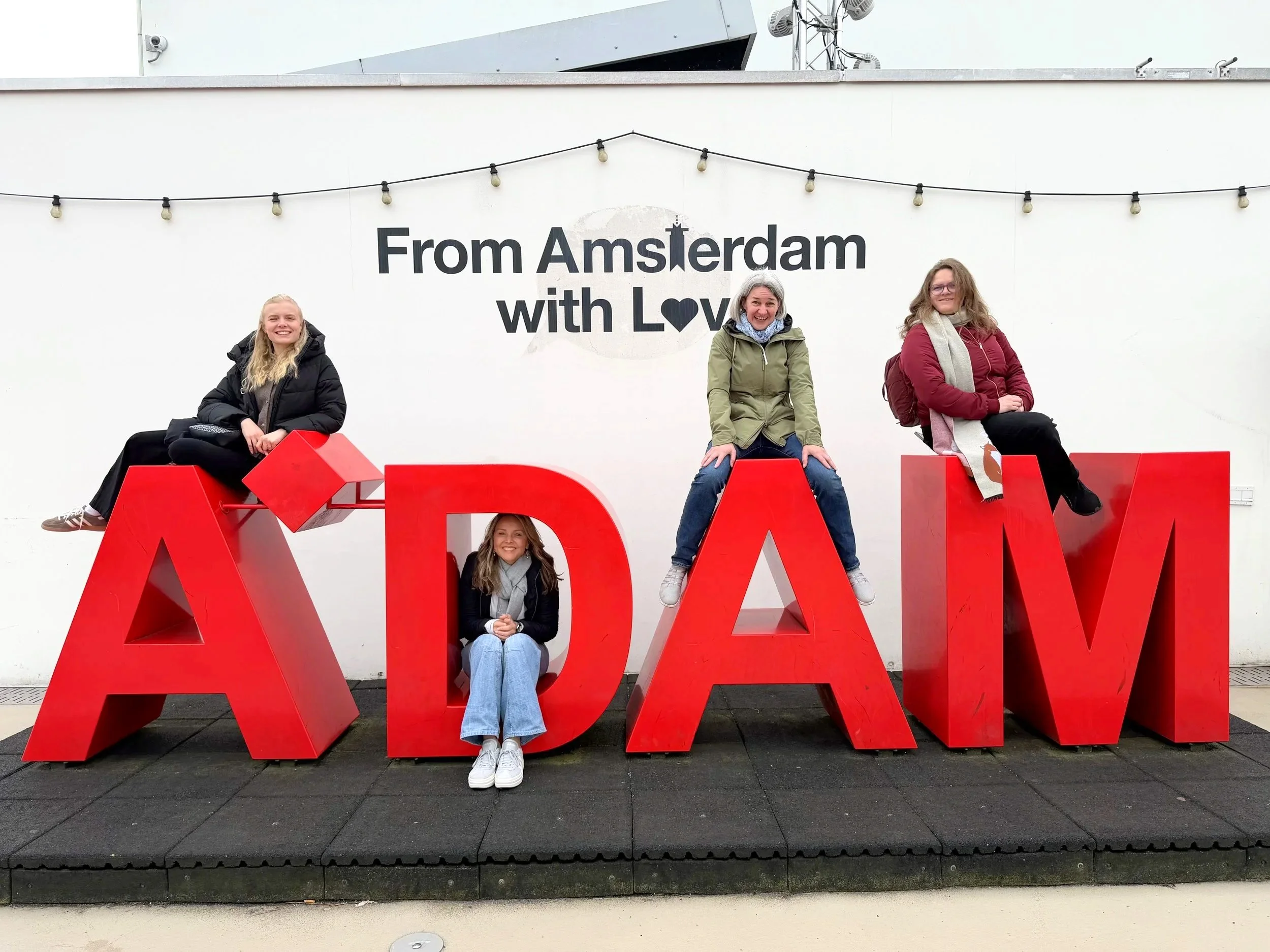
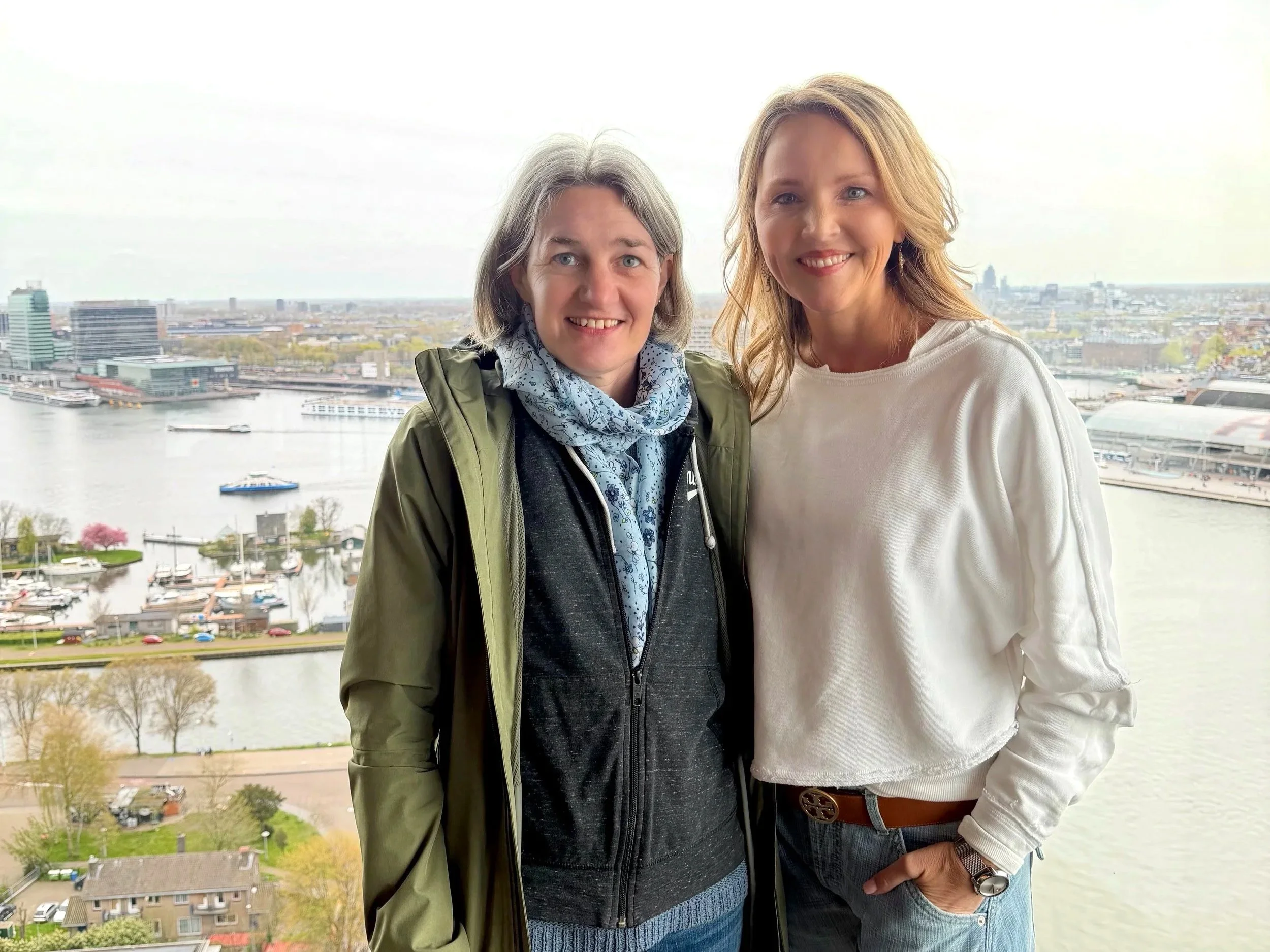
The ferry ride itself was short—about five minutes—but it gives you a moment to take in the skyline and reset before the first stop. Once on the other side, it’s an easy five-minute walk to A'DAM Lookout, a modern high-rise with an observation deck at the top. We bought our tickets, stepped into the elevator, and were quickly delivered to the top floor, where panoramic views of Amsterdam stretch in every direction—canals, rooftops, and the IJ below.
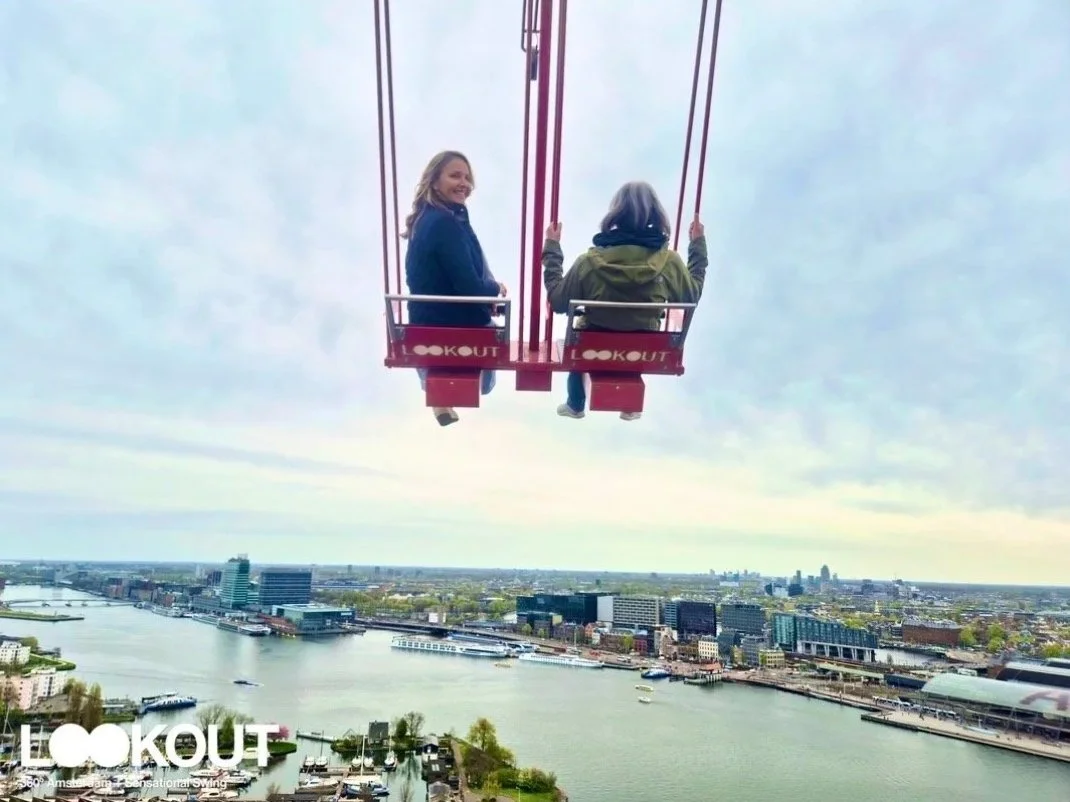
Then came the main event. The Over the Edge swing is exactly what it sounds like: a swing that lifts you up and out over the edge of the building—officially the highest swing in Europe. I was immediately in. The others debated… hesitated… reconsidered their life choices… and eventually agreed.
I loved every second of it. One of my friends, however, had a very different experience. She held on like her life depended on it, gripped the bars like a lifeline, and refused to look back for a photo the entire time. The ride only lasted a couple of minutes, but she spent all of them fully committed to survival. To be fair, she was laughing about it afterward—loudly—but only once her feet were firmly back on solid ground, exactly where she prefers them.
After the adrenaline rush, we headed inside to the rooftop bar for a drink. The space is calm, the views are incredible, and it’s the perfect place to take in the city from above.
Then we headed back down and returned to the ferry.
Back Into the City: A Stroll Down Damrak
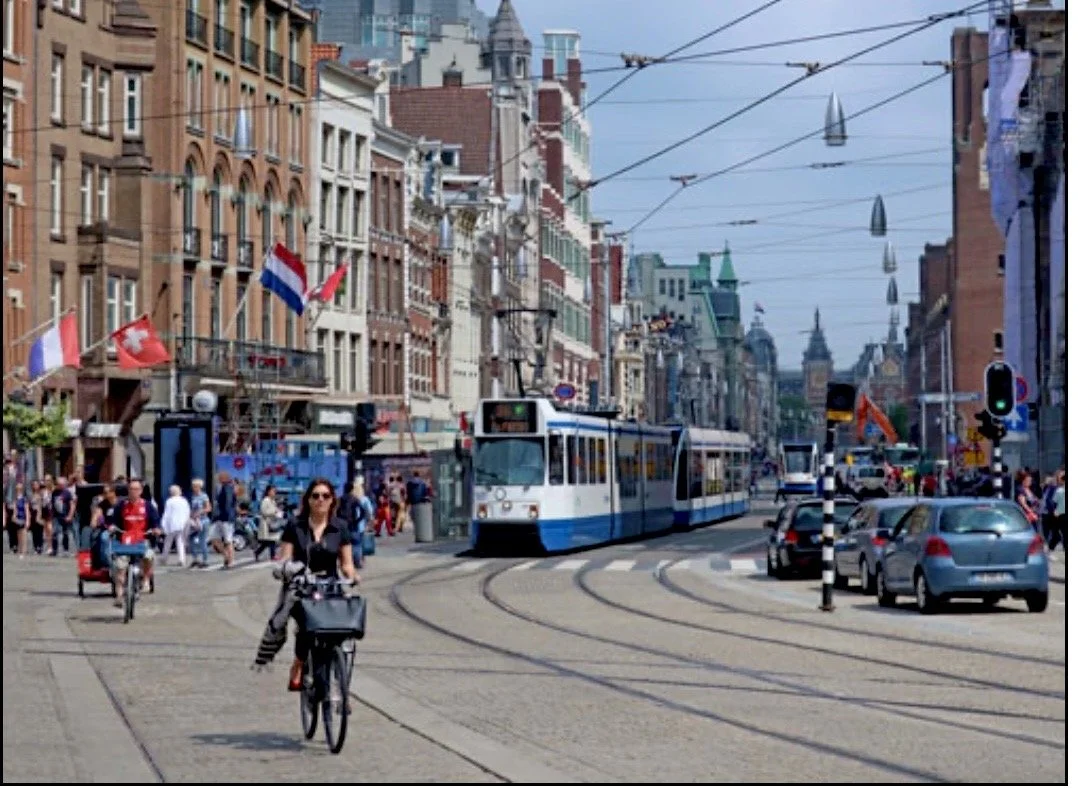
Back on the city side, we followed Damrak toward the center of Amsterdam — a wide, busy boulevard connecting the train station to Dam Square.
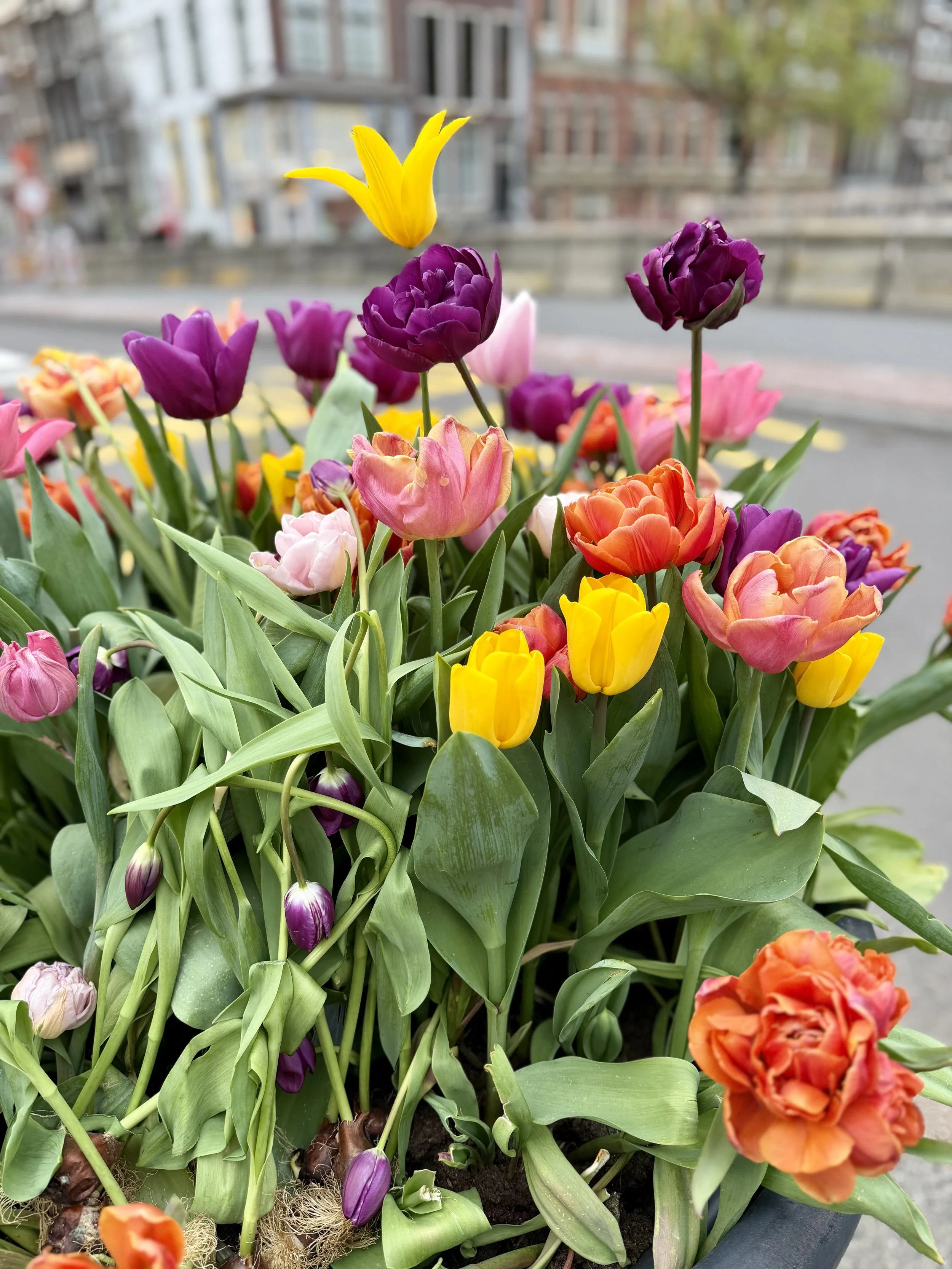
This stretch feels like controlled chaos. Cyclists appear from every direction at alarming speeds. Trams glide past with inches to spare. Street performers compete for attention while souvenir shops overflow with tulips, stroopwafels, Delftware, magnets, clogs, and every imaginable variation of Amsterdam-themed humor.
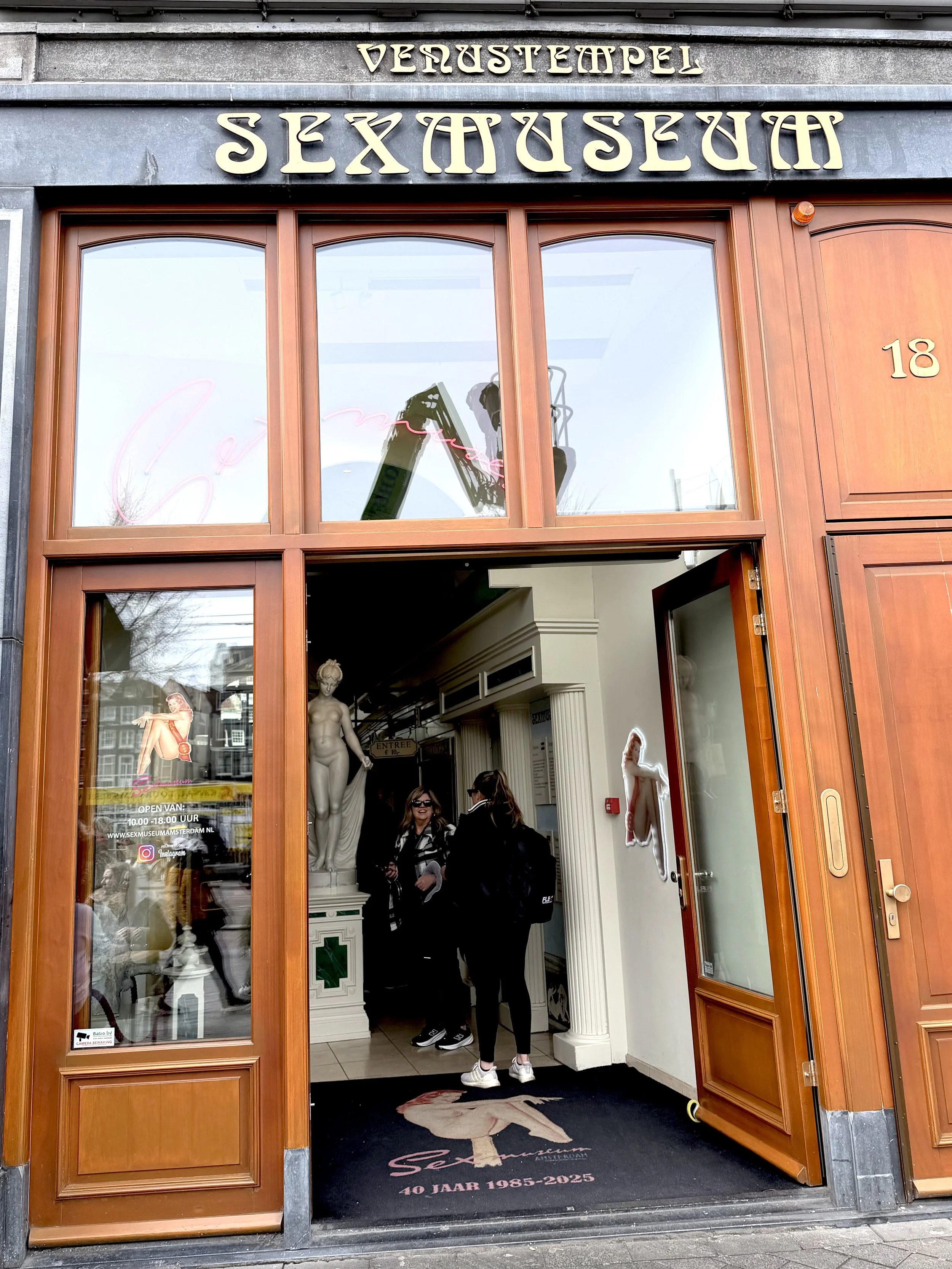
And woven into all that is one of Amsterdam’s most famously curious attractions: Sexmuseum Amsterdam. The Sexmuseum is one of those stops you either confidently walk past… or slowly drift toward because curiosity eventually wins.
Inside, it’s a strange and surprisingly entertaining mix of vintage photography, historical artifacts, old advertisements, sculptures, and exhibits exploring sexuality through different cultures and time periods. Some sections genuinely feel like a history museum. Others feel like someone uncovered a very questionable attic collection and decided to charge admission.
Eventually, we stepped back out onto Damrak, slightly more informed, mildly concerned about humanity through the centuries, and hungry for a savory snack.
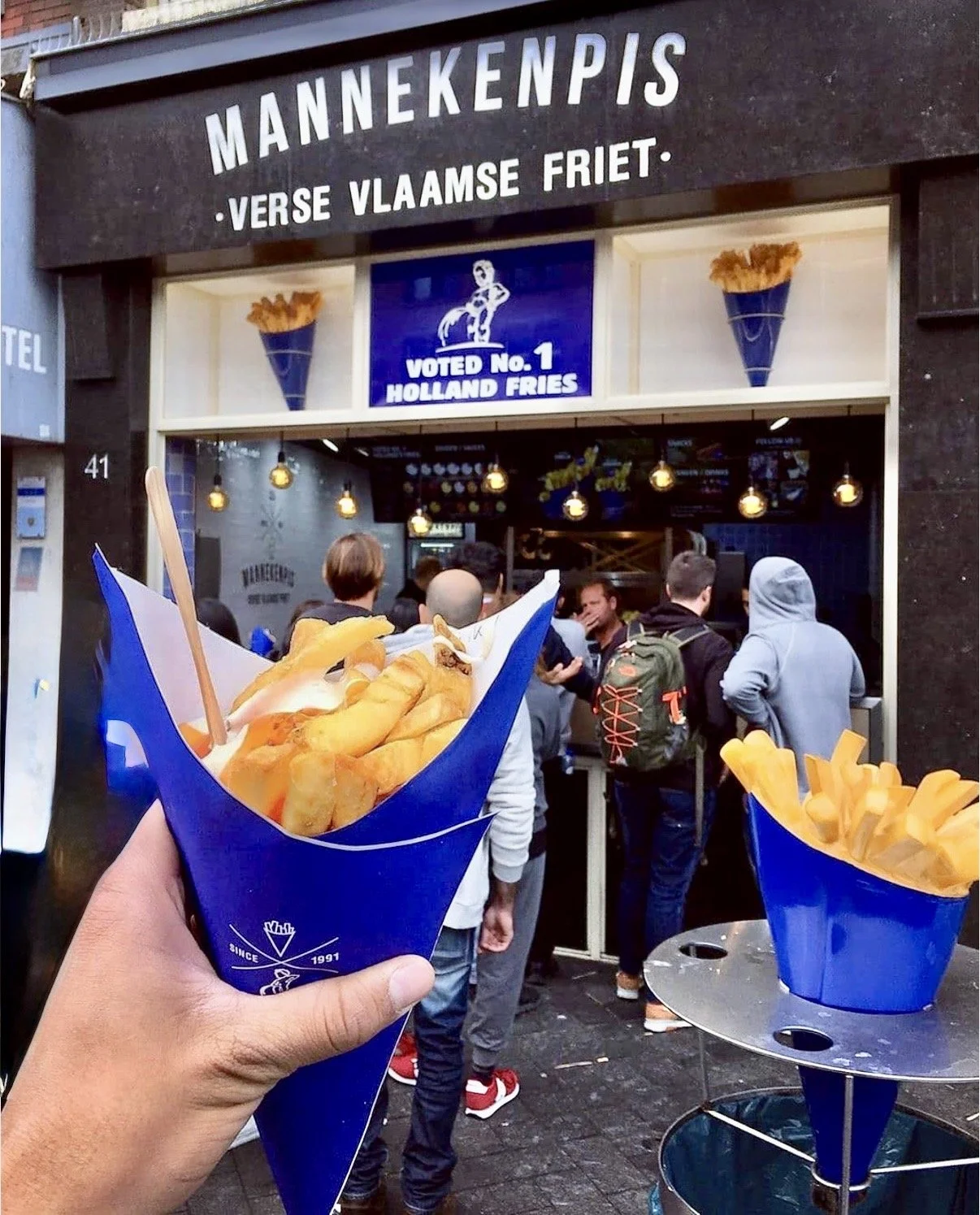
Our next stop was Manneken Pis, famous for its giant cones of hand-cut Dutch fries. Now, a lesson on joopie sauce. I had never heard of it before, but my friend’s daughter insisted that it was delicious — and right she was. To me, it tasted like mayo mixed with curry, onions, and spices. It was creamy, tangy, slightly sweet, and completely addictive. I liked it so much I tried to bring some home to the U.S., only to discover that it requires refrigeration. Since then, I’ve found joopie sauce recipes online and started making my own version at home, and my family thinks like I’ve unlocked a secret culinary achievement.
After our fries break, we continued down Damrak toward the city center— slightly less hungry, significantly happier, and now fully understanding why Dutch fries have such a loyal following.

Dam Square and the City Center
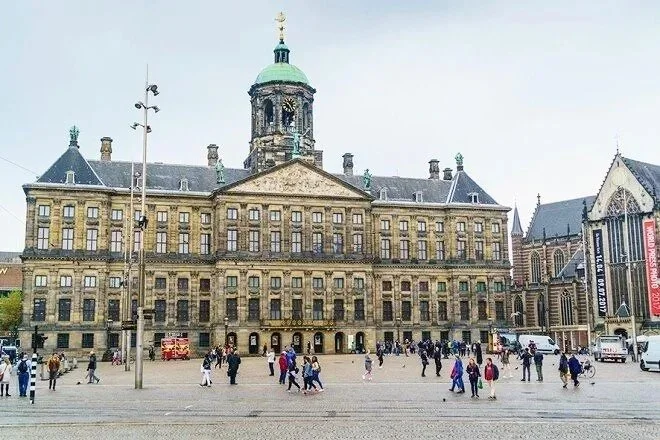
Minutes later, Damrak opened up into Dam Square—the busy, energetic heart of Amsterdam where locals, tourists, pigeons, trams, and history all somehow coexist in one giant open plaza. This is one of those moments where you’ll probably stop without meaning to.
There’s a lot happening all at once: people taking photos, cyclists weaving around distracted tourists, musicians performing in corners, and massive historic buildings rising up around the square like they’ve been calmly watching the chaos for centuries.
This is also one of the best “choose your own adventure” points in the day. If you’re in the mood for history, architecture, or simply pretending for an hour that you belong in a palace, this is your chance.
Royal Palace Amsterdam
Suggested time: 60–90 minutes. Royal Palace Amsterdam was originally built in the 1600s as Amsterdam’s city hall during the Dutch Golden Age before eventually becoming a royal palace. And the Dutch apparently decided that if they were going to build a city hall, they might as well make it look aggressively impressive.
Inside, you’ll find enormous marble halls, ornate ceilings, dramatic chandeliers, giant maps built into the floors, sculptures, and lavish rooms still occasionally used for royal events today. It’s grand without feeling stuffy, and even people who “aren’t really palace people” will probably find themselves quietly staring upward at least once pretending not to be impressed.
If you enjoy architecture, history, or simply walking through rooms that make your own house feel deeply inadequate, it’s worth the stop.
Nieuwe Kerk
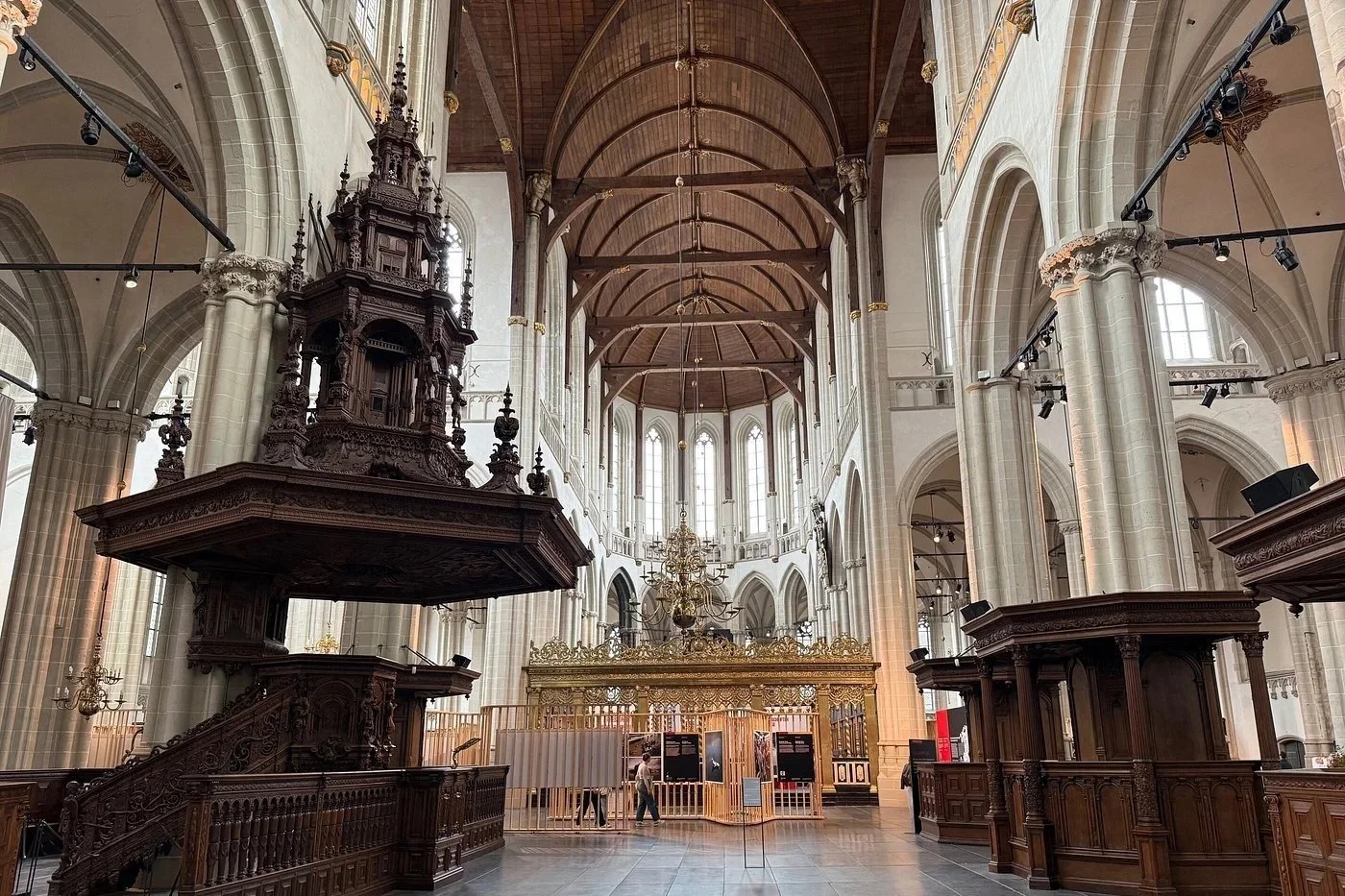
Suggested time: 30–60 minutes. Right next door is Nieuwe Kerk, which translates to “New Church” despite being over 600 years old. Classic Europe.
Unlike many historic churches that function primarily as religious spaces, Nieuwe Kerk now operates mostly as an exhibition venue and event space, which makes it especially easy to fit into a busy itinerary.
Inside, the soaring Gothic architecture alone is worth a quick look—massive arches, stained glass, vaulted ceilings, and the kind of atmosphere that immediately makes people start whispering for no reason. Depending on the current exhibit, you might find photography, art, fashion, world cultures, or historical displays woven into the historic setting. It’s smaller, quieter, and less time-intensive than the palace, making it a great option if you want a cultural stop without committing a huge chunk of your day.
Kalverstraat and Free Time for Wandering
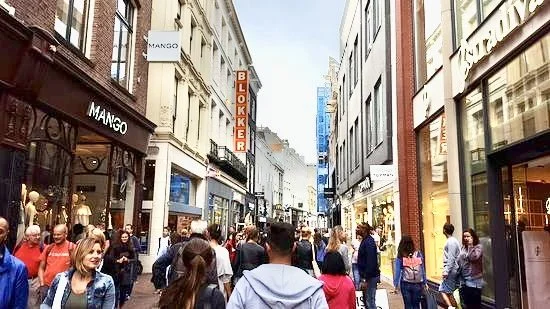
From Dam Square, we made our way down Kalverstraat, one of Amsterdam’s busiest shopping streets. Since we only had an hour to wander Kalverstraat, we decided to split up and use Muttoren as our designated meeting point — which ended up working out perfectly.
Everyone got to choose their own shopping experience. Some went into clothing stores. Others disappeared into bookstores or souvenir shops, and the rest wandered and people-watched.
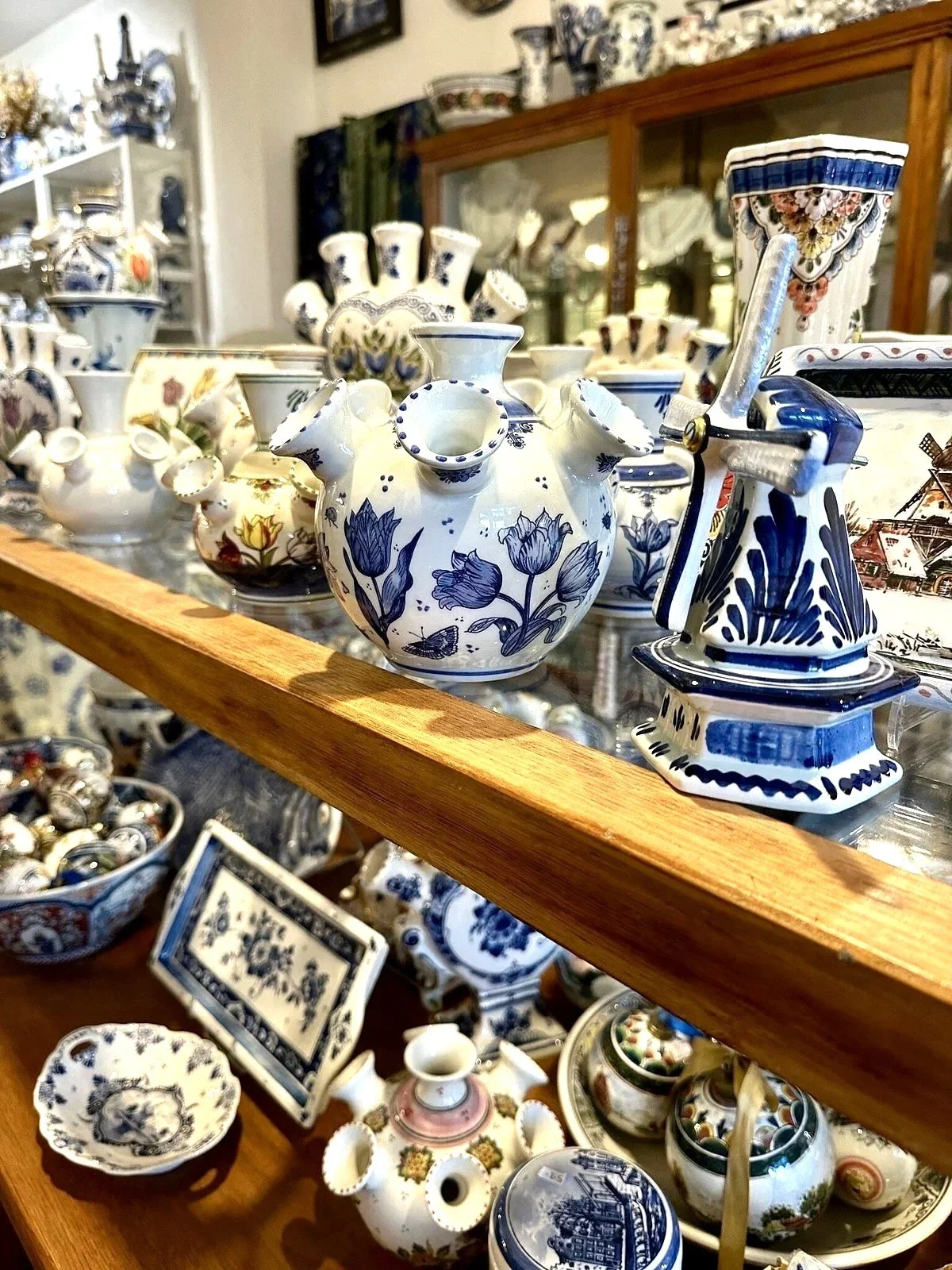
As for me, I happily disappeared into several European fashion stores that aren’t common in the U.S., including Stradivarius, Pull&Bear, and Bershka — all very dangerous places to casually “just browse.” I also popped into a few souvenir shops looking for Delftware—the iconic blue-and-white Dutch ceramics ranging from delicate hand-painted plates and vases to tiny canal houses and miniature clogs.
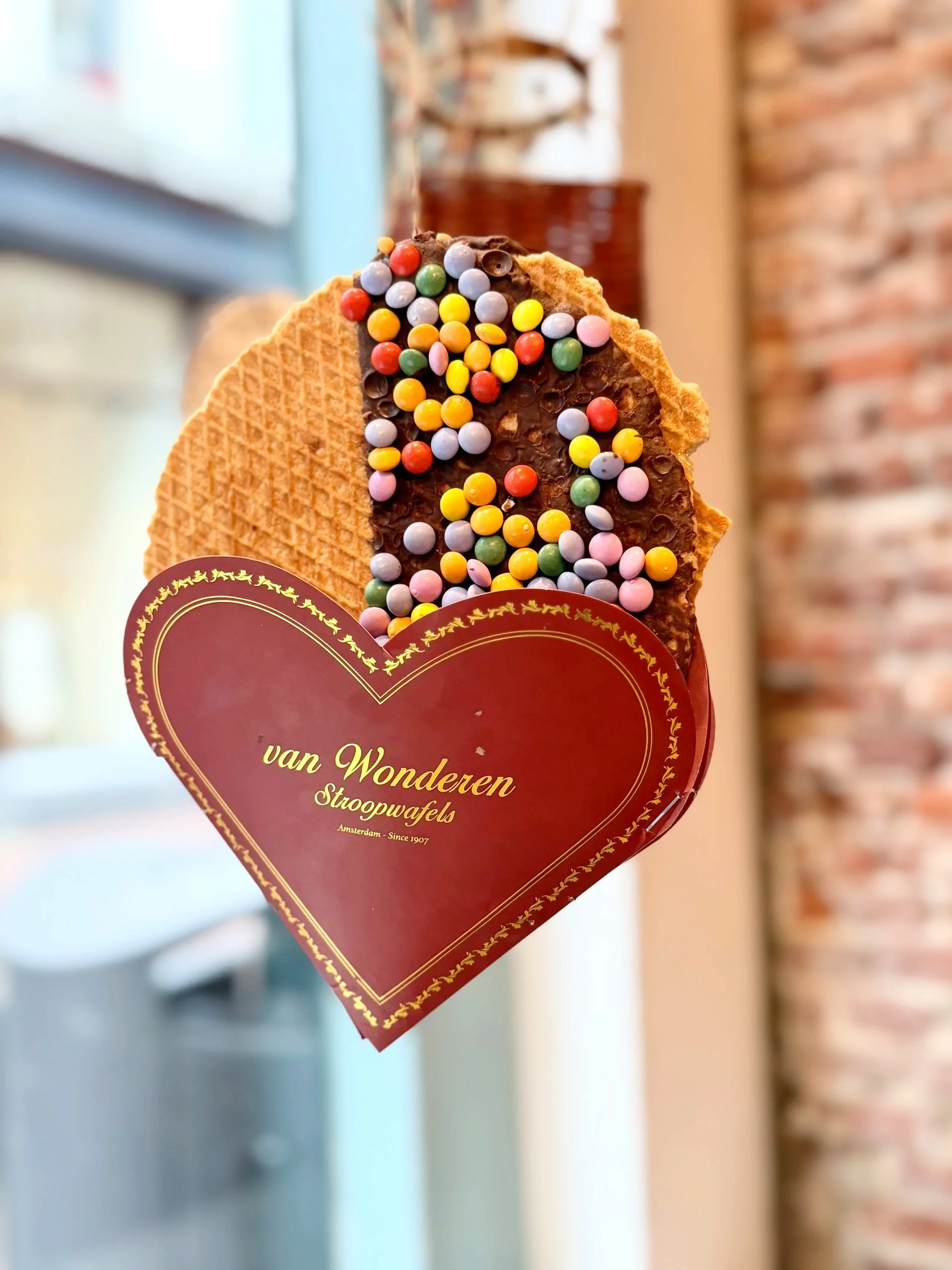
And of course, no wandering session is complete without a stop at Van Wonderen Stroopwafels for one of their deluxe stroopwafels piled high with toppings. Think of it as the Voodoo Doughnut version of a waffle—completely unnecessary, slightly over-the-top, and absolutely worth trying at least once.
Munttoren and an Early Evening Reset
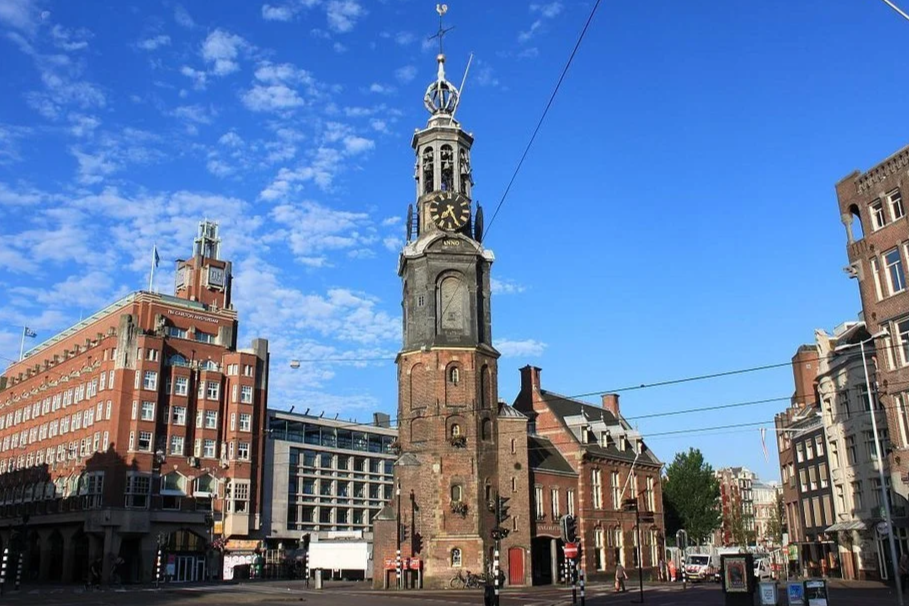
By early evening, we all regrouped at Munttoren—which translates to “Mint Tower”—an ideal meeting spot. Tall, central, and easy to recognize from a distance, it’s the kind of landmark that says, “Even if everyone gets distracted by shopping and snacks, you’ll eventually find your way back here.”
The tower itself dates back to the 1600s and was originally part of one of Amsterdam’s main city gates. It later earned the name “Mint Tower” when coins were temporarily minted there after a fire damaged the city’s regular mint building.
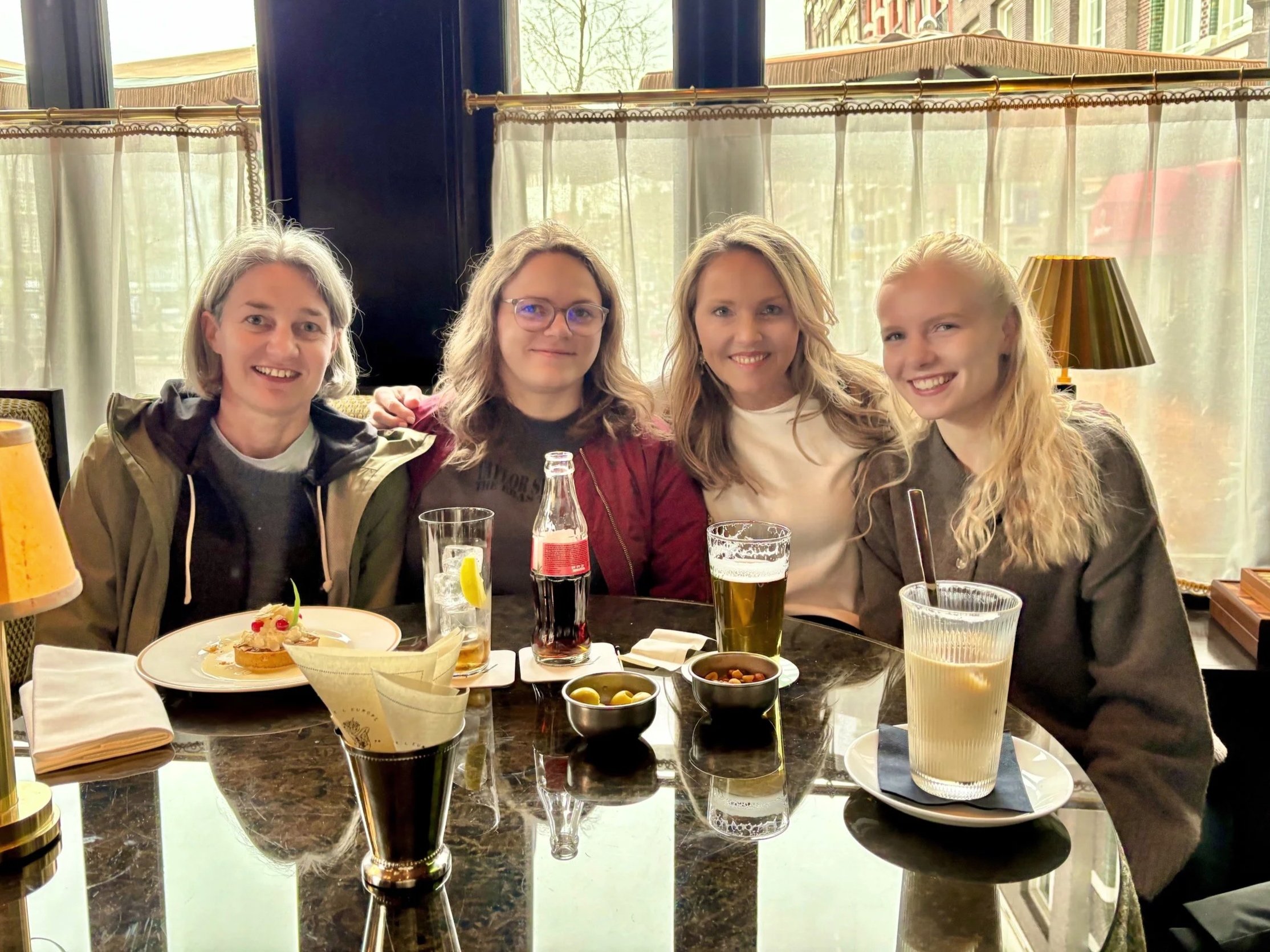
At this point, we all collectively agreed our feet deserved a short break, so we headed across the street to Freddy's Bar inside the historic Hotel De L'Europe. The atmosphere was stylish but relaxed—rich colors, velvet seating, soft lighting, and the kind of polished cocktail-bar energy that makes you instinctively sit up a little straighter when your drink arrives.
Some of us ordered coffee and dessert. Others opted for cocktails and bitterballen, the classic Dutch snack that is essentially deep-fried comfort food disguised as sophistication.
Either way, it was exactly what we needed before continuing. Because next up was a roughly 20-minute walk to one of the most meaningful stops in the city: the Anne Frank House.


Anne Frank House
We arrived at the Anne Frank House around 8 PM, while it was still fairly light out. Tickets to go inside the Secret Annex need to be purchased in advance and with a designated entry time. This requires a much more structured itinerary than we had for this trip, so we didn’t manage to get inside to see the apartment.
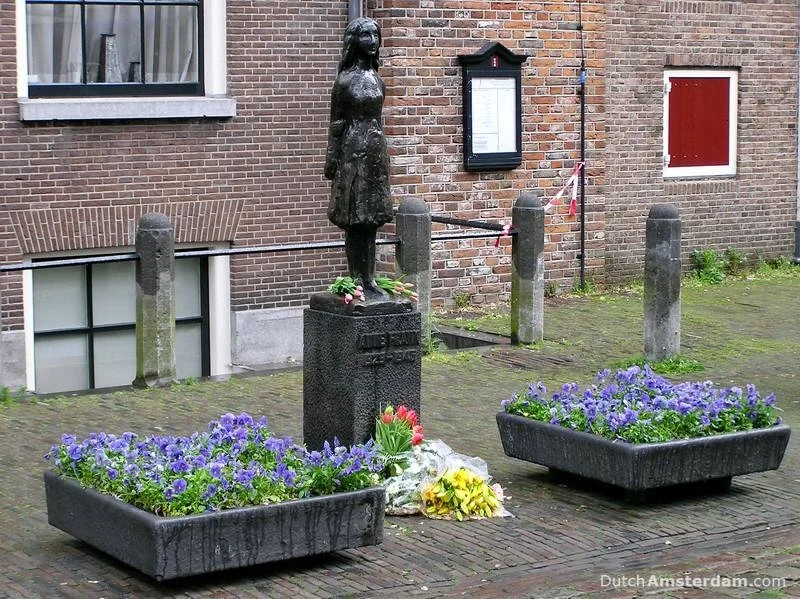
Even so, being there still felt significant. We were able to see the exterior of the building where Anne Frank and her family hid during World War II, along with nearby informational displays and the bronze Anne Frank statue just around the corner. It’s a quiet, reflective area, and even without entering the museum, the atmosphere naturally shifts.
There’s a noticeable pause in the day here—people speaking more softly, standing a little stiller, taking in the moment in their own way.
After a bit of time there, we continued on together, gradually moving back into the flow of the city as we headed toward our final stop of the evening: the Red Light District.
Pro Tip: Anne Frank House tickets are released about 30 days in advance and sell out quickly. If visiting the Secret Annex is a priority, plan your day around your ticket time.
Red Light District
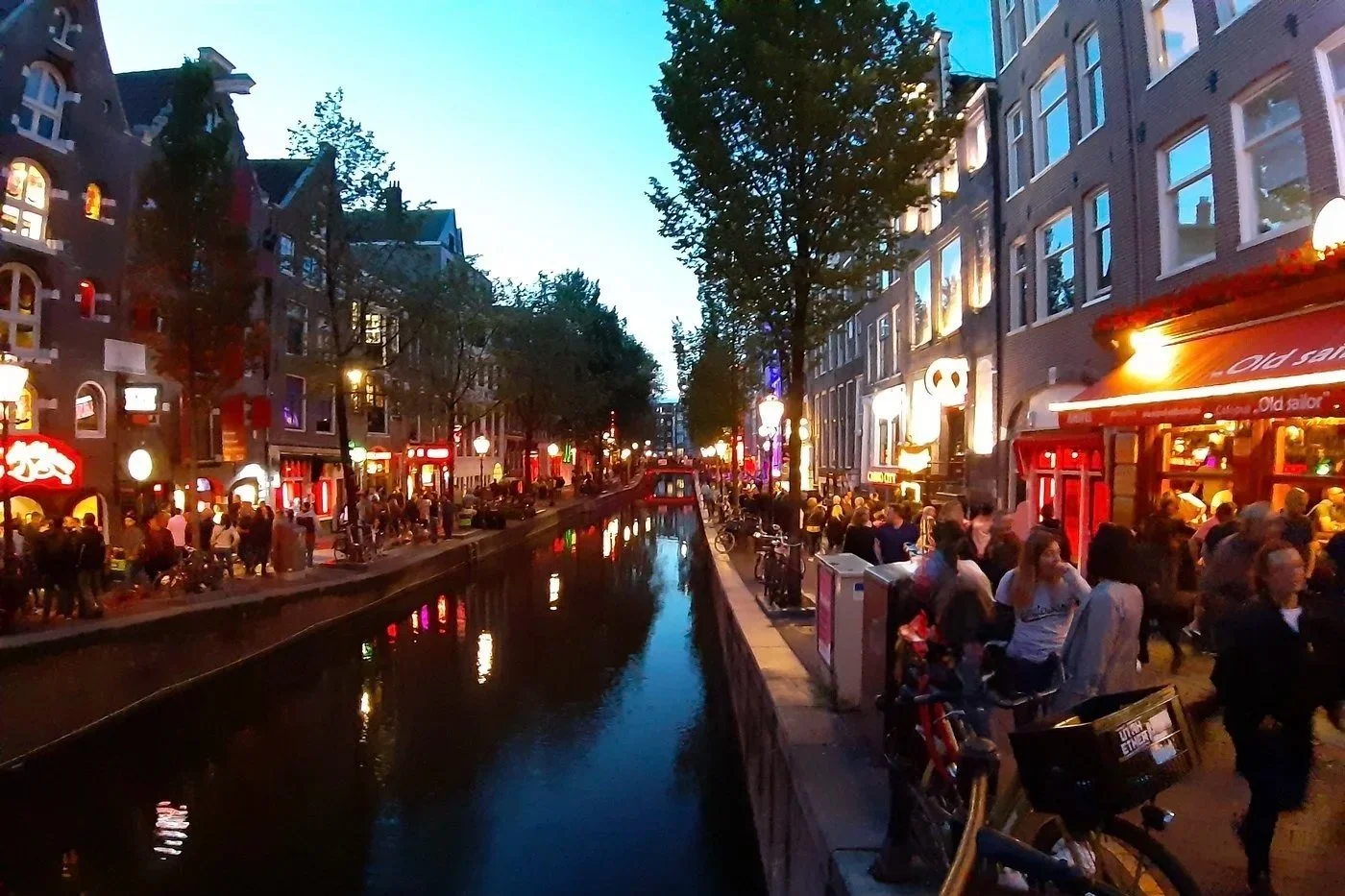
A 20-minute walk brought us to the Red Light District (locally known as De Wallen). You know you’ve arrived when the glow of red lighting begins appearing in street signs, windows, and canal reflections, subtly announcing that you’ve entered one of Amsterdam’s most famous—and most debated—neighborhoods.
My first impression was not what I expected. It felt cleaner, calmer, and far more organized than I had imagined, likely because we arrived relatively early on a weekday evening. We had intentionally planned to visit at night to experience the district’s evening atmosphere, but we quickly realized the real crowds—partiers, revelers, and sex tourists—tend to arrive much later.
The downside to our timing was that many of the quirky novelty shops had already closed for the evening. So if you want to browse the stores, museums, or themed attractions, plan to arrive earlier in the day—ideally before 6 PM.
As night falls, the area shifts. Restaurants remain lively, canal lights reflect across the water, and the famous red-lit windows begin glowing along the narrow side alleys.
We wandered down one of the smaller streets where licensed sex workers sat behind illuminated windows operating within the Netherlands’ regulated legal system. Honestly, it felt much more subdued and businesslike than people often imagine—women sitting on stools, chatting on phones, waiting for customers, all unfolding in a surprisingly matter-of-fact way.
And the district extends far beyond just the windows. The streets are lined with sex shops, adult theaters, peep shows, cannabis cafés (“coffee shops” in Amsterdam terminology), museums, bars, restaurants, and every imaginable variation of nightlife curiosity. Whether or not you personally agree with it, it is undeniably interesting to see how the Netherlands openly regulates both marijuana usage and what’s often referred to as the world’s oldest profession.
One very important rule: absolutely no photos or videos are allowed near the windows, and enforcement is immediate. Security cameras are everywhere, and respect for the workers is taken seriously.
If this area is outside your comfort zone—or if you’re traveling with children—you can easily stay along the main streets and canals without venturing into the side alleys while still experiencing the atmosphere of the neighborhood.

Last Stop: Back to Centraal (or One More Drink)
After leaving De Wallen, we made our way back toward Amsterdam Centraal Station to catch the train back to our Airbnb in Loosdrecht.
For those staying in the city, this is one of the best times to linger: sit outside at a cafe, order a drink, and watch the canals settle into evening light. It’s also the perfect opportunity to try some traditional Dutch cuisine.
We were given a few excellent recommendations by locals: Moeders (Dutch home-style cooking), Café de Klos (hearty grilled meats and ribs), The Pantry (Dutch comfort food), and Restaurant Greetje (elevated traditional dishes).
We didn’t make it to any of them this time—but they’re firmly on the list for next visit. And that’s really the thing about Amsterdam: you can do a full, satisfying day and still leave with a list of reasons to come back.
Final Thoughts: One Day, Many Versions of Amsterdam
If there’s one thing this day reminded me, it’s that Amsterdam doesn’t insist you experience it one specific way.
You can stand above the city on a swing holding on for dear life, or sit below it with savory Dutch fries and joppie sauce. You can wander museums, shop until you forget what time it is, or skip all of it and just follow the canals until you end up somewhere unexpected.
What made this trip so special was that we had slightly different versions of a shared experience. Though we started with a general itinerary, we built in space to split up, regroup, change our minds, and lean into whatever caught our attention in the moment.
Even the parts that felt slightly chaotic in the moment—the bikes flying past, the swing-induced panic, the “wait, where are we meeting again?” shopping strategy—are exactly the things we ended up laughing about later.
And maybe that’s the real version of Amsterdam worth planning for: not a perfect itinerary, but a flexible one that leaves room for surprise, opinion changes, and at least one person questioning their life choices mid-air on a rooftop swing.
One day is enough to see Amsterdam, at least one version it.
