The D5 Five: Why Some People Have the Travel Bug (and Others Don't)
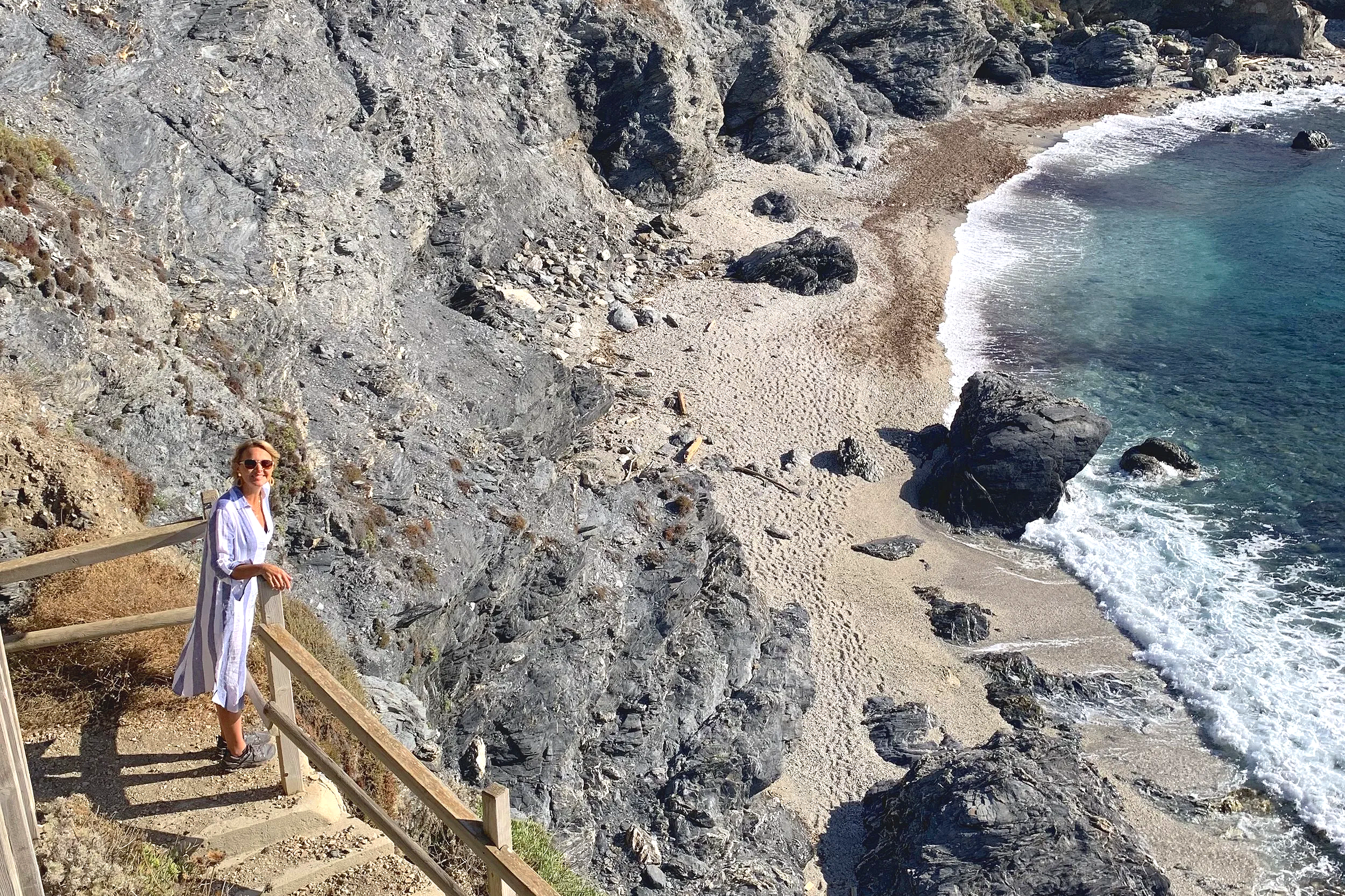
Discovering hidden Spiaggia di Lampianu, Sardinia, Italy.
What psychology tells us about wanderlust, curiosity, and why some people can't stop dreaming about their next adventure.
Some people dream of exploring ancient cities, tasting unfamiliar foods, and visiting every continent. Others are perfectly happy returning to the same favorite beach every summer, or staying home and enjoying the house they’re still paying for.
And then there are people like me, whose travel bucket lists grow considerably faster than their vacation budgets.
I've always been fascinated by what makes us so different. Why does the thought of visiting an unfamiliar country fill one person with excitement while another would rather spend the money on a new kitchen? And why can two people enjoy the exact same vacation, yet only one comes home itching to book the next?
It turns out psychology offers some intriguing clues. From personality and childhood experiences to the pleasure of planning a trip, our appetite for adventure may have more than one explanation.
Here are the D5 Five.
1. The Curiosity Factor

Taking curiosity to new heights in the Swiss Alps.
Psychologists describe personality using the Big Five, a model of five broad traits. One of them, openness to experience, includes curiosity, imagination, and an interest in new ideas and unfamiliar experiences.¹ People who score higher in openness often enjoy exploring different perspectives and trying new things.
For some of us, that curiosity comes with a boarding pass.
I love beautiful landscapes, but I'm just as interested in how people live in other parts of the world. I'll happily strike up conversations with locals about their traditions, favorite foods, and everyday lives. Sometimes I'll ask what surprises them most about Americans. That's usually when things get interesting.
And then there's my curiosity about what I can actually do in a destination. When Bryan and I visited Switzerland, admiring the Alps was only the beginning. We paraglided above them, rode Trotti bikes down mountain trails, soared through the air on Grindelwald's eagle-shaped First Glider, and explored by cable car, cogwheel railway, boat, and train. I suppose I could have sat on a bench and admired the view, but where's the fun in that?
Of course, curiosity doesn’t require a passport. Someone might be equally fascinated by art, science, literature, or the world just beyond their backyard.
Curiosity can take us around the world. But it doesn't have to.
2. The Childhood Connection
My mother is from Germany, so throughout my childhood, we traveled there every other summer, occasionally over the winter holidays, to visit family.
And I absolutely loved it.
Even getting there felt like an adventure. To my childhood self, an airplane was essentially a flying restaurant, complete with sodas (a rare treat for me), meals, snacks, movies, and the extraordinary experience of floating above the clouds.
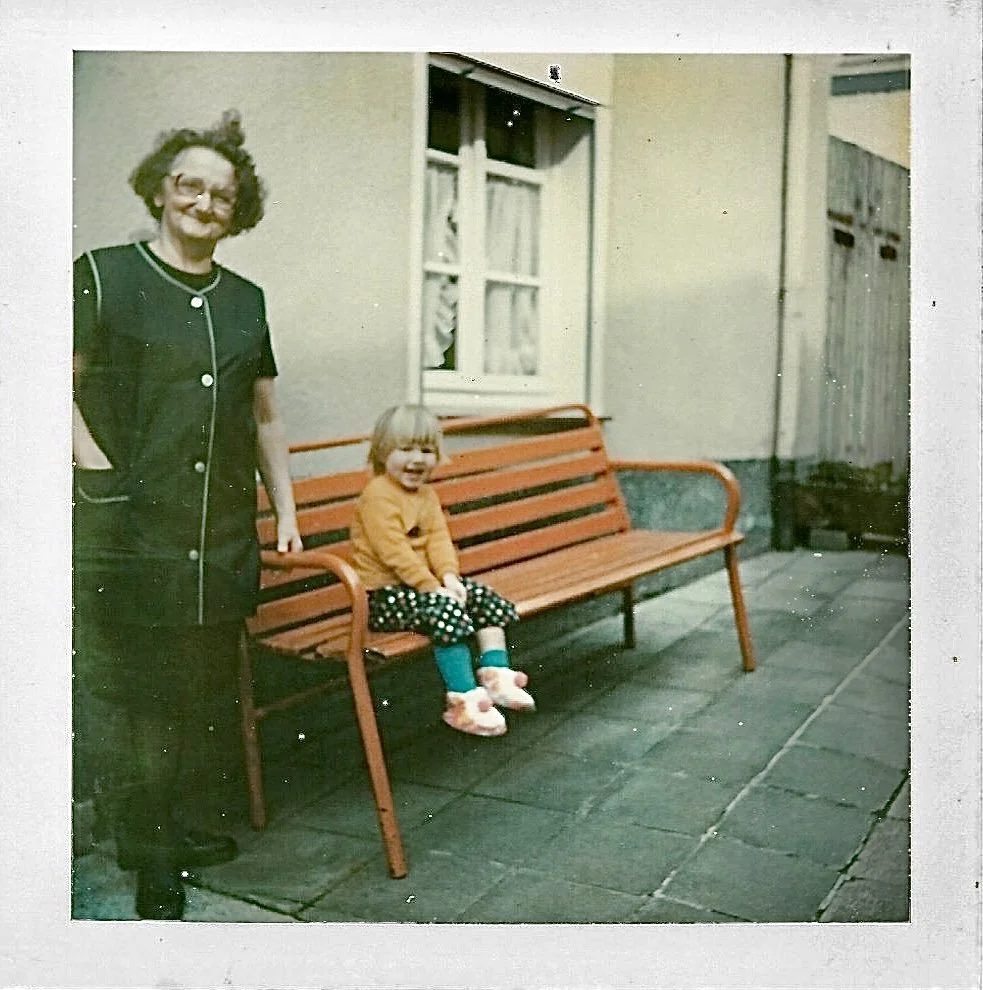
Photo: With my Oma outside her home in Malberg, Germany. Circa 1978.
A restaurant, a movie theater, and transportation to another continent? Sign me up.
But arriving in Germany was even more exciting. Everything seemed different. The bread, milk, potatoes, and even ordinary vegetables tasted a little different. The bakeries smelled heavenly. My uncles roasted meat and fish over an open fire, filling the air with wonderful aromas. Even the rain seemed to smell different.
Some of my strongest memories, though, came from packages my Oma (grandmother) mailed to our home in America. Twice a year, at Easter and Christmas, boxes arrived filled with German chocolates, candies, toys, and small gifts. I can still remember the distinctive smell that escaped when my mother cut through the packing tape. Even the wrapping paper was different—thin and delicate, making the loveliest crinkling sound.
Opening those boxes felt like receiving a little piece of Germany.
Research has found that smells and tastes can trigger particularly vivid, emotionally meaningful autobiographical memories, a phenomenon sometimes called the Proust effect.² Perhaps that’s why I can still recall those packages so clearly fifty years later.
Our trips generally centered around the same small villages where my relatives lived. We visited family, enjoyed coffee and cake, and shopped in familiar towns, with occasional excursions to Cologne. I treasured those visits, but they also made me curious about everything we weren’t seeing. What did the rest of Germany look like? What about Switzerland, France, or Italy?
It wasn't until adulthood that I began exploring those places for myself. By then, my list had grown considerably.
Did those childhood experiences give me the travel bug?
There’s no way to know for certain. Early experiences may shape what feels familiar, exciting, or meaningful, but personality and later experiences matter, too.
In my case, those childhood visits gave me a lifelong connection to Germany—and a growing curiosity about the world beyond it..

3. The Motivation Factor
Bryan and I have traveled together for three decades, and somewhere along the way, I’ve noticed an interesting difference between us. We can return from the same wonderful vacation, but while I’m already researching our next destination, he’s perfectly content to enjoy the memories of where we’ve just been.
He doesn’t have a burning desire to visit every country on the map. I, on the other hand, could use a second lifetime. And possibly a second travel budget.
Psychologists have studied a characteristic called sensation seeking, which describes differences in how strongly people are drawn to novel, varied, or exciting experiences.³ But sensation seeking and wanderlust aren't necessarily the same thing.
Someone might love the adrenaline rush of roller coasters and whitewater rafting without having much interest in international travel. Another person might dream of exploring ancient cities bustling markets but have absolutely no desire to jump out of a perfectly good airplane.
Even within our own family, what makes a destination appealing varies. Callan loves a good mix of art, culture, and adventure, while Jake and Max want to head straight to the highest cliff they can jump off or wildest river they can raft down. I’m usually up for all of it, which explains why my proposed itineraries occasionally need a little editing.
Bryan enjoys traveling, too. He simply doesn’t feel the same urge to keep adding destinations to his list. And when a particular trip doesn’t interest him, he’s happy to encourage me to go with one of our kids instead. That’s an important distinction: Enjoying a new experience isn’t necessarily the same as feeling motivated to seek it out.
Perhaps the travel bug isn’t just about how much we enjoy being somewhere new. It’s also about how strongly we feel the pull to go in the first place.
4. The Anticipation Factor
I have a confession.
I actually enjoy planning vacations.
Not just booking flights and choosing hotels. I mean researching activities, comparing itineraries, reading travel blogs, and discovering experiences I didn't even know existed.
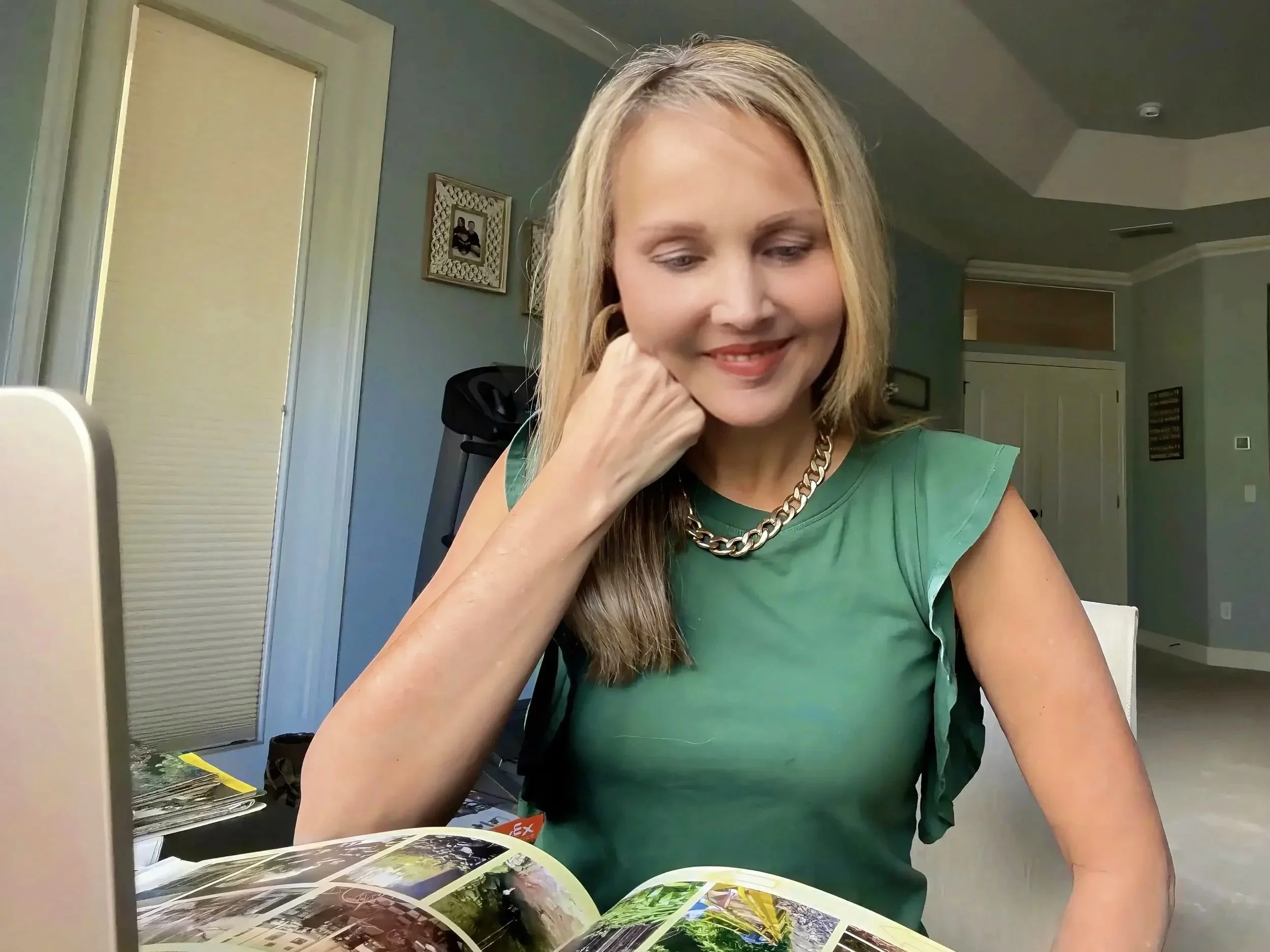
Photo: For me, the vacation starts long before the suitcase comes out.
I'll read dozens of articles about a destination, make notes about recommendations that keep appearing, and create a list of possibilities. When we’re traveling as a family, we narrow down the choices together. By departure day, I usually have enough ideas for approximately three separate vacations.
Fortunately, I've learned that having options doesn't mean we have to do everything.
But here's something interesting: Part of the pleasure of a vacation may begin long before we pack our bags. Research has found that people tend to experience more positive anticipation when waiting for experiential purchases, like vacations or concerts, than when waiting for material purchases.⁴ In other words, looking forward to a trip can be part of the fun.
Japan is a perfect example. It’s one of the rare destinations that all five of us enthusiastically agree we’d love to explore together. Ideally, we’d spend at least two weeks there, but finding that much time when five work and school schedules align has proven challenging. Winter break is our most realistic option, but we're not quite ready to trade our Christmas traditions at home for a holiday abroad.
So Japan remains on the family bucket list. I’m optimistic. Our calendars, however, are still negotiating. And because Japan is somewhere we all want to experience together, I'm happy to wait.
In the meantime, dreaming about the trip is half the fun. And at this rate, I’ll have the entire itinerary planned before we’ve even chosen a year.

5. The Experience Factor
For our tenth wedding anniversary, Bryan surprised me with a gorgeous, very expensive anniversary ring. It was beautiful, thoughtful, and incredibly generous. And I genuinely appreciated it.
But after admiring the ring and thanking him, I made a slightly unconventional suggestion: What if we returned it and used the money take our three children to Hawaii instead?
And that’s exactly what we did.
We spent two weeks exploring Hawaii as a family, and I’ve never regretted that decision. Not because the ring wasn’t meaningful, but because, for me, the memories we made together were worth even more.
Why do certain experiences become such meaningful memories?
One reason experiences can be so meaningful is that they often become part of our personal stories. Research suggests that experiences can shape our identities, strengthen our relationships, and give us memories to revisit long after they’re over.⁵
Think about a family vacation. Years later, you may not remember what the hotel cost or exactly where you ate dinner. But you might remember laughing together after getting hopelessly lost, trying an unfamiliar food, or seeing something extraordinary for the first time.
A beautiful home can provide years of enjoyment. Jewelry can carry tremendous sentimental meaning. And sometimes, a treasured possession becomes part of our personal story, too.
The point isn’t that experiences are inherently better than possessions. It’s that we differ in what we find most meaningful.
For me, shared experiences hold a particularly special place. That anniversary ring would have been lovely to wear. But more than fifteen years later, I still have the photographs, the stories, and the memories of exploring Hawaii with our three young children.
And wouldn’t trade those for anything.
The D5 Takeaway: Maybe Wanderlust Isn't One Thing at All
So, are some people born with the travel bug?
Personality may play a role. Childhood experiences might influence our interests. Curiosity, sensation seeking, anticipation, and personal values can all influence how we feel about exploring the world. But there's no single psychological trait that neatly separates world travelers from homebodies.
For much of the past two decades, my travel priorities centered around giving our children opportunities to experience different places and cultures. Now that they're older, finding time when all five of us can travel together requires considerably more coordination. But my desire to share those experiences hasn’t changed.
And neither has my curiosity about the world. There are still landscapes I'd love to see, foods I'd love to taste, and people I'd love to meet. I’m usually researching at least one destination, whether or not we have any immediate plans to go.
Of course, someone else might find just as much happiness returning to a favorite beach, spending weekends close to home, or enjoying familiar places with people they love.
Maybe the travel bug isn't one thing at all. Maybe it's a combination of what makes us curious, what excites us, and what we find meaningful.
And for me? Well, I still have a rather ambitious bucket list.
And the inconvenient thing about traveling is that every new place seems to introduce me to three more.
References
McCrae, R. R., & Costa, P. T., Jr. (1997). Personality trait structure as a human universal. American Psychologist, 52(5), 509–516. https://doi.org/10.1037/0003-066X.52.5.509
Green, J. D., Reid, C. A., Kneuer, M. A., & Hedgebeth, M. V. (2023). The Proust effect: Scents, food, and nostalgia. Current Opinion in Psychology, 50, 101562. https://doi.org/10.1016/j.copsyc.2023.101562
Zuckerman, M. (1994). Behavioral expressions and biosocial bases of sensation seeking. Cambridge University Press.
Kumar, A., Killingsworth, M. A., & Gilovich, T. (2014). Waiting for Merlot: Anticipatory consumption of experiential and material purchases. Psychological Science, 25(10), 1924–1931. https://doi.org/10.1177/0956797614546556
Gilovich, T., Kumar, A., & Jampol, L. (2015). A wonderful life: Experiential consumption and the pursuit of happiness. Journal of Consumer Psychology, 25(1), 152–165. https://doi.org/10.1016/j.jcps.2014.08.004
