The D5 Five: 5 Reasons Some Hotels Stay With Us Long After Checkout

Why some hotel stays become unforgettable—and what psychology tells us about the memories we bring home.
We've stayed in a lot of hotels over the years. Some were luxurious, some were practical, and some were simply a place to collapse after a long day of sightseeing. But when I recently asked my three kids which hotels they remembered most, their answers surprised me.
All three named The Venetian in Las Vegas—but for very different reasons.
Max, just shy of ten when we visited, was convinced we were living the high life. Our enormous split-level suite had stairs, electric blinds (very fancy!), and a rooftop pool like the ones he'd only seen in movies. Callan, our resident arts-and-culture expert, was captivated by the hotel's grandeur, particularly the elaborate painted ceilings that made her feel as though she were strolling through Venice. Jake was drawn to the buzz of the adjoining casino—off-limits to the kids, which probably made it even more intriguing—and the gondola rides.
Same hotel. Three kids. Three very different reasons to remember it.
As a psychologist and lifelong traveler, it got me thinking: Why do certain hotels remain vivid in our memories years after checkout, while others disappear into a blur of identical hallways and complimentary shampoo?
The answer has a lot to do with emotion, novelty, comfort, and the experiences we share. And a five-star memory doesn't necessarily require a five-star hotel.
1. The Welcome: Why Feeling Valued Matters
I experienced that distinction at Eau Palm Beach Resort & Spa in Florida, where I was attending a work conference.
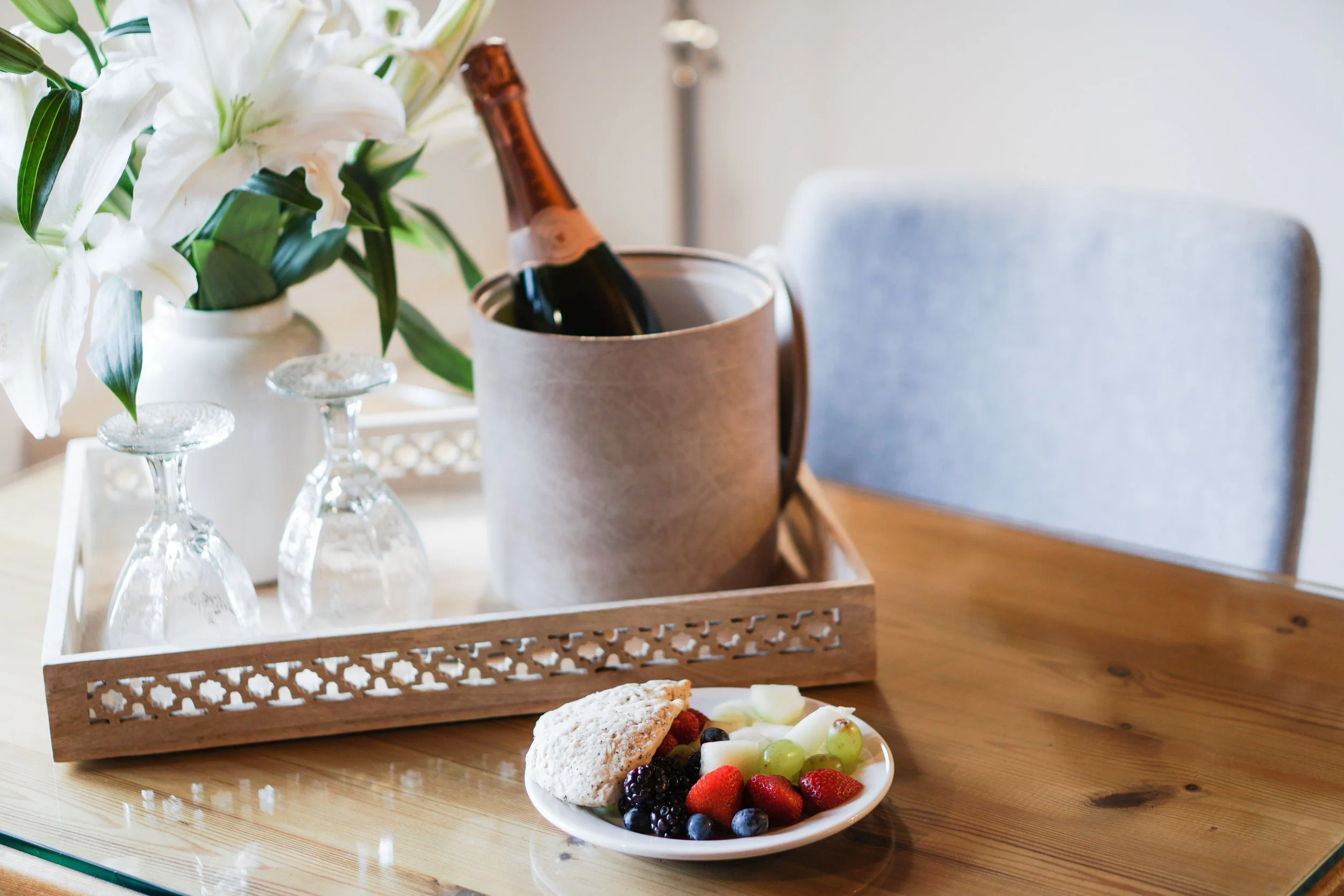
From the moment I arrived, the hospitality felt personal. I was greeted by name, offered a glass of champagne, and never felt rushed. It was the kind of welcome that made me feel less like another reservation and more like an anticipated guest.
The thoughtful touches continued in my room: plush robes, slippers, and even a complimentary beach bag. Add a beautiful ocean view, and the experience was already off to a promising start.
But the spa? That was something else entirely.
My visit began at the Wishing Well, where guests float a candle while setting an intention for their spa experience. After a heavenly massage, there was no rush to leave. We could linger in the Jacuzzi, enjoy the sauna, or relax in the aptly named Self-Centered Garden.
My favorite spot was a hanging chair suspended over a shallow pool, where I could gently swing with my toes dipping into the water. I could have stayed there all afternoon. In fact, I would have happily moved in.
Years later, I still remember how thoroughly pampered I felt. Research suggests that emotions play an important role in shaping our personal memories, particularly when an experience leaves a strong emotional impression.¹
The champagne was lovely, the spa was heavenly. But what stayed with me was the feeling of being genuinely welcomed and cared for.
2. The Atmosphere: When a Place Becomes a Feeling
I'm a sucker for a beautiful view.
Ocean, mountains, a river winding through a city, the red rocks of Sedona—I'll happily pay extra for a room that reminds me I'm somewhere extraordinary.
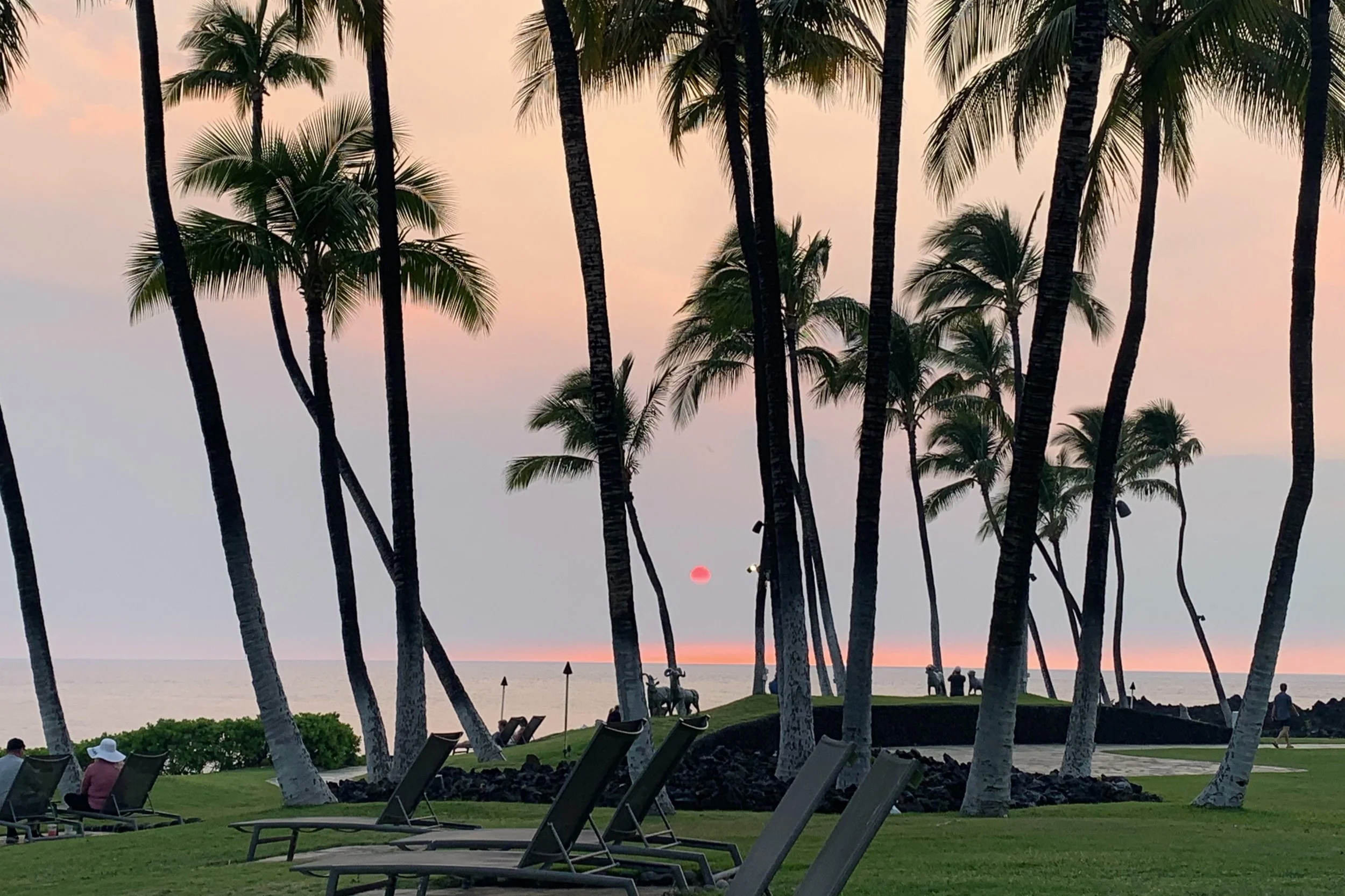
Featured photo: Sunset from the grounds of Hilton Waikoloa Village.
I'm on vacation. I'd rather not spend it looking at a parking garage.
But atmosphere extends beyond the view. It's the lighting, the sounds, the landscaping, and the little places where you can sit quietly and enjoy your surroundings.
Hilton Waikoloa Village, on Hawaii's Big Island, is one of those properties I remember as much for its setting as its amenities.
The resort was enormous—large enough to have its own monorail. There were beautiful pools, lagoons, restaurants, water activities, and opportunities to swim with dolphins.
Yet one of my favorite memories is of an evening when we did almost nothing at all.
Toward the end of our trip, we watched an extraordinary sunset paint the sky in shades of pink and orange. As the last light faded, the tiki torches flickered to life. We took turns swinging in a hammock between the palm trees while the others lounged or played in the grass. We had drinks, snacks, and absolutely nowhere we needed to be.
After days filled with adventures, there was something wonderful about simply being together, with no plans, no schedule, and no reason to be anywhere else.
Our senses have a remarkable connection to memory. Research has found that sensory cues, particularly familiar smells, can evoke emotionally powerful memories of past experiences.² Sometimes a sound, a scent, or a familiar setting is all it takes to bring an old vacation memory rushing back.
Years later, I couldn't tell you our room number at Hilton Waikoloa Village. But I can still picture those tiki torches, the hammock, and that quiet evening with my family.
3. The Unexpected: Why Surprises Stick
Sometimes the most memorable part of a hotel stay is something you never saw coming.
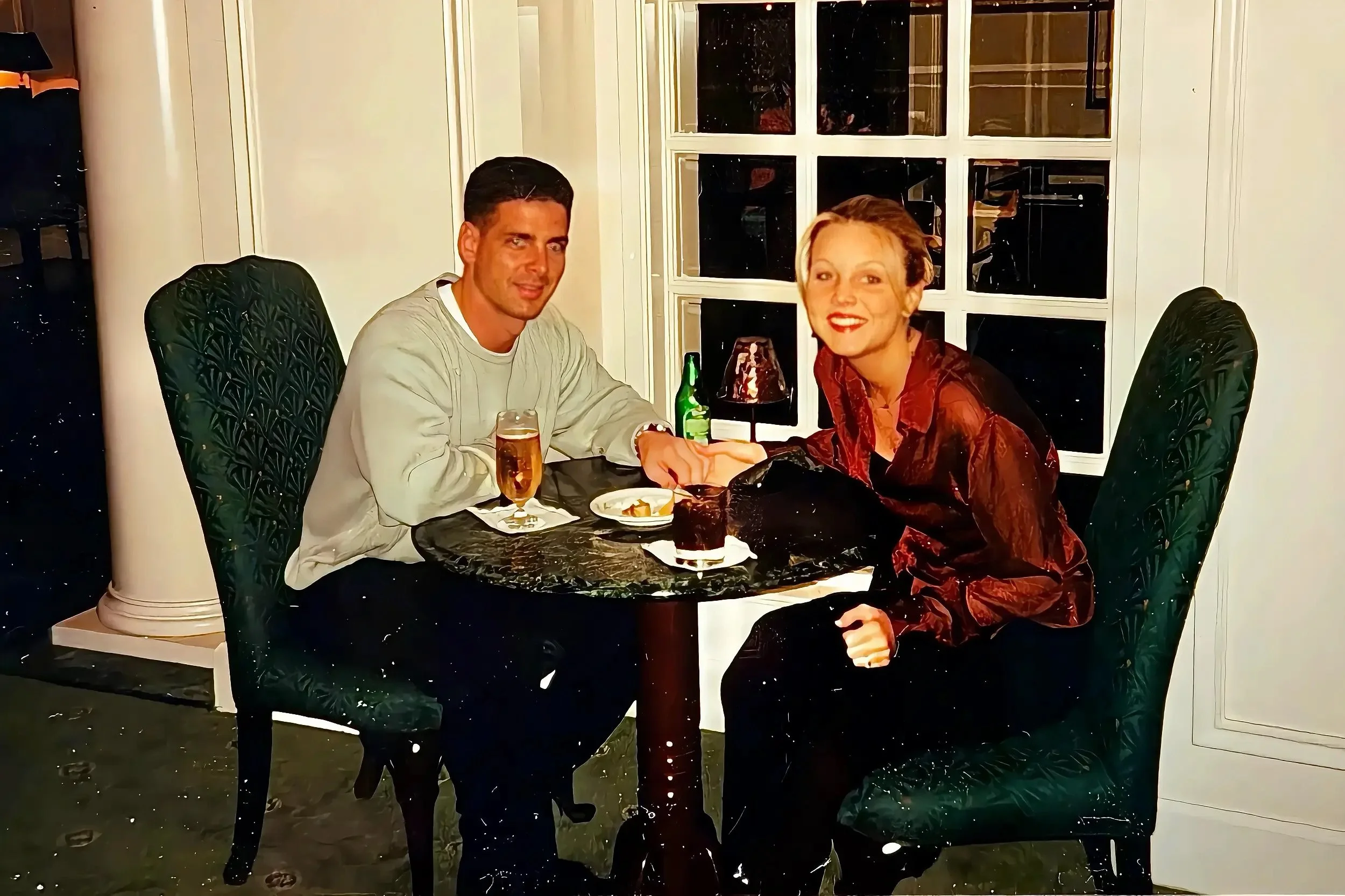
Years ago, when Bryan and I were newly married and in our mid-20s, we stayed at The Charleston Place in Charleston, South Carolina.
Featured photo: Charleston Place, circa 2000. Grainy photographs, crystal-clear memories.
It was our first experience at a truly upscale hotel, and we were suitably impressed. From the gracious welcome to the beautifully appointed rooms, everything felt elegant. But what I remember most was the Club Level experience.
For starters, we couldn’t even reach our floor without scanning our room key in the elevator. Once upstairs, we had access to a private lounge offering evening cocktails and generous hors d'oeuvres. It was all wonderfully refined, and I felt as though we'd been admitted to a very exclusive club.
Research suggests that novel experiences capture our attention and can become more memorable than familiar, everyday events.³ But novelty is personal. What feels routine to a seasoned luxury traveler might be extraordinary to someone experiencing it for the first time.
Memorable surprises don't have to be extravagant. An unexpected room upgrade, a handwritten note acknowledging a special occasion, or a thoughtful gesture from the staff can be just as meaningful.
Sometimes it's the grand gesture. Sometimes it's the little things. What matters is that a hotel gives us something we didn't even know to expect.
4. The Ease: Why Convenience Can Feel Like Luxury
Traveling with three children under six changes your definition of luxury.
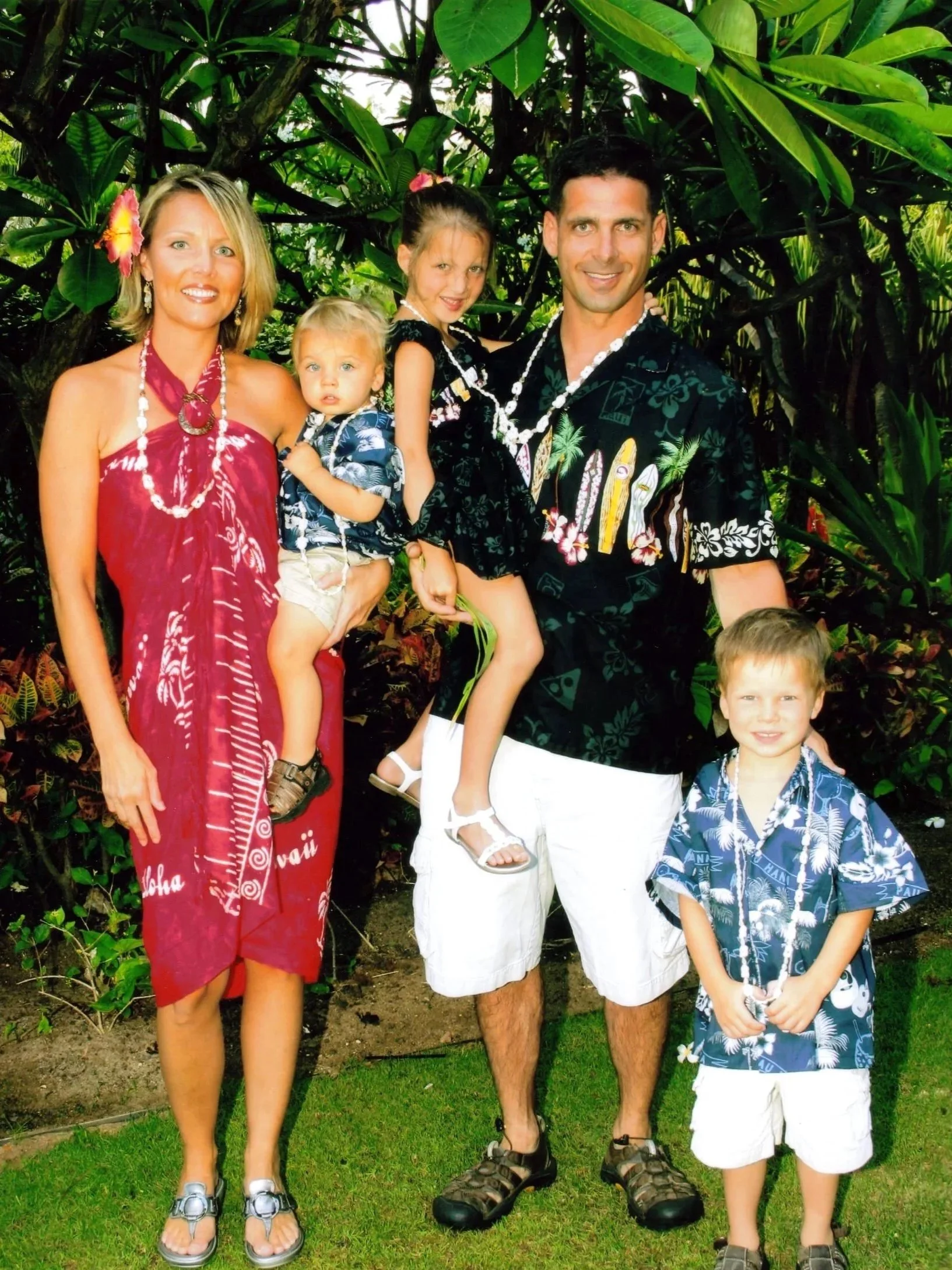
When we first visited Hale Koa Hotel on Waikiki Beach in 2010, Callan was five, Jake was four, and Max was just one. At that stage of our lives, a beautiful resort where we could spend an entire day without packing up the kids and going anywhere else? Perfect.
Hale Koa offered everything we needed in one gorgeous beachfront setting: tropical gardens, swimming pools, restaurants, casual places to grab a bite, and direct access to Waikiki Beach. There was even a convenience store for those inevitable things you forget to pack.
Jjust beyond the resort, the open lawns of Fort DeRussy Beach Park gave the kids room to run and play.
But the experience that really captured the magic of the place was the hotel's luau. This wasn't simply dinner with a show. It was an entire evening of Hawaiian traditions and entertainment. We made leis, learned to twirl poi balls, watched a performer climb a towering coconut palm, and witnessed the ceremonial preparation of the kalua pig in an underground oven. Then came an enormous island-style feast, followed by Polynesian music and dance.

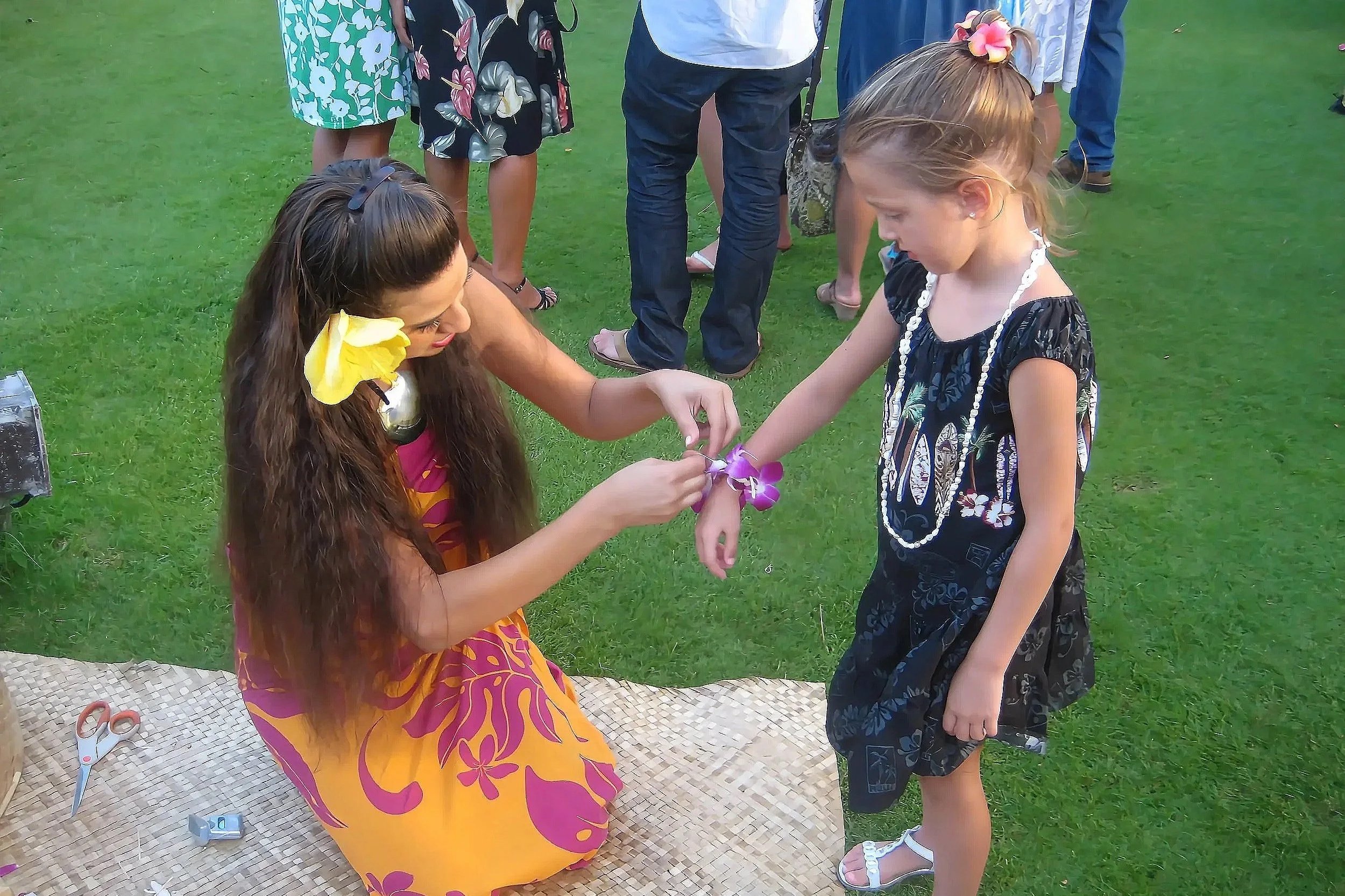
Surrounded by tropical greenery, wearing our leis, with three delighted little kids in tow, it felt like we'd stepped straight into a Hawaiian postcard. And the best part? When the evening ended, our hotel room was only a short walk away.
There's a particular kind of relief that comes from having everything you need close at hand. Fewer logistics mean less time coordinating meals, transportation, and activities—and more time actually enjoying your vacation.
Sometimes luxury isn't about exclusivity or extravagance. It's about a vacation that feels wonderfully easy.
5. The Connection: When a Place Becomes Part of Your Story
Some hotels become more than places we've stayed. They become part of our family's history.
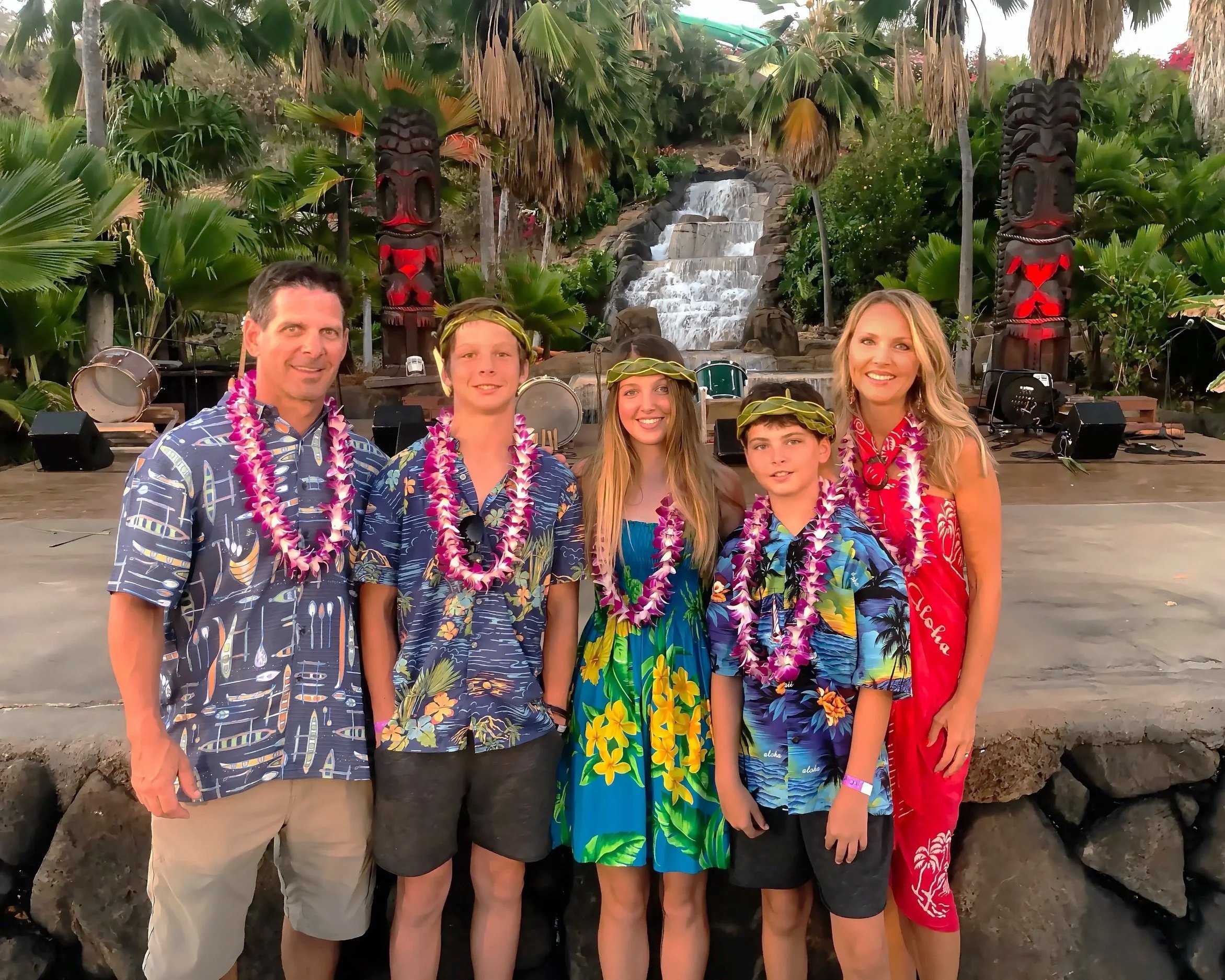
When we planned our return to Hawaii in 2021 to celebrate our twentieth wedding anniversary (a year late, thanks to COVID), the kids had one request: they wanted to stay at Hale Koa again.
Callan and Jake had only scattered memories of that first trip, while Max, who was still an infant, remembered nothing at all. But they'd grown up with the photographs and family stories. The pool at the Hale Koa, the beach, and even the penguins we'd visited at the neighboring Hilton Hawaiian Village had become familiar sights in our family photo albums. Somehow, a hotel they barely remembered had become a place they felt connected to.
So we returned, this time with three teenagers eager to rediscover a little piece of their childhood.
Psychologists call this place attachment—the emotional bonds we develop with locations through our experiences, relationships, and the meaning we give them.⁴ Sometimes that connection isn't built entirely on what we remember firsthand, but also on the stories that become part of our family's shared history.
We're already talking about returning to Hawaii for our thirtieth anniversary in 2030. Perhaps Maui this time. The island and hotel may change, but Hawaii has become part of our family's story.
And perhaps that's one of the greatest things a hotel can offer: not just a wonderful stay, but a place that becomes part of who we are—and somewhere we can't wait to return.
What Really Makes a Hotel Five-Star Worthy?
After all these years of traveling, I certainly appreciate a beautiful room, an exceptional spa, and a spectacular view.
I also appreciate spotless bathrooms, a quiet night's sleep, good coffee with actual creamer, and a mini refrigerator large enough to hold something besides two miniature bottles of water.
Sometimes luxury is extravagant. Sometimes it's practical.
But the hotels I remember most are the ones that made us feel welcome, gave us room to relax, surprised us with something special, or made it easier to enjoy the people we were traveling with.
Long after we've forgotten the room number, the thread count, and what we paid per night, we remember how it felt to be there.
And perhaps that’s what makes a hotel truly of five-star worthy.
References
¹ Holland, A. C., & Kensinger, E. A. (2010). Emotion and autobiographical memory. Physics of Life Reviews, 7(1), 88–131. https://doi.org/10.1016/j.plrev.2010.01.006
² Herz, R. S. (2004). A naturalistic analysis of autobiographical memories triggered by olfactory, visual and auditory stimuli. Chemical Senses, 29(3), 217–224. https://doi.org/10.1093/chemse/bjh025
³ Ranganath, C., & Rainer, G. (2003). Neural mechanisms for detecting and remembering novel events. Nature Reviews Neuroscience, 4, 193–202. https://doi.org/10.1038/nrn1052
⁴ Scannell, L., & Gifford, R. (2010). Defining place attachment: A tripartite organizing framework. Journal of Environmental Psychology, 30(1), 1–10. https://doi.org/10.1016/j.jenvp.2009.09.006
