Why We Crave Cozy in the Fall
In My House, Fall Starts September 1
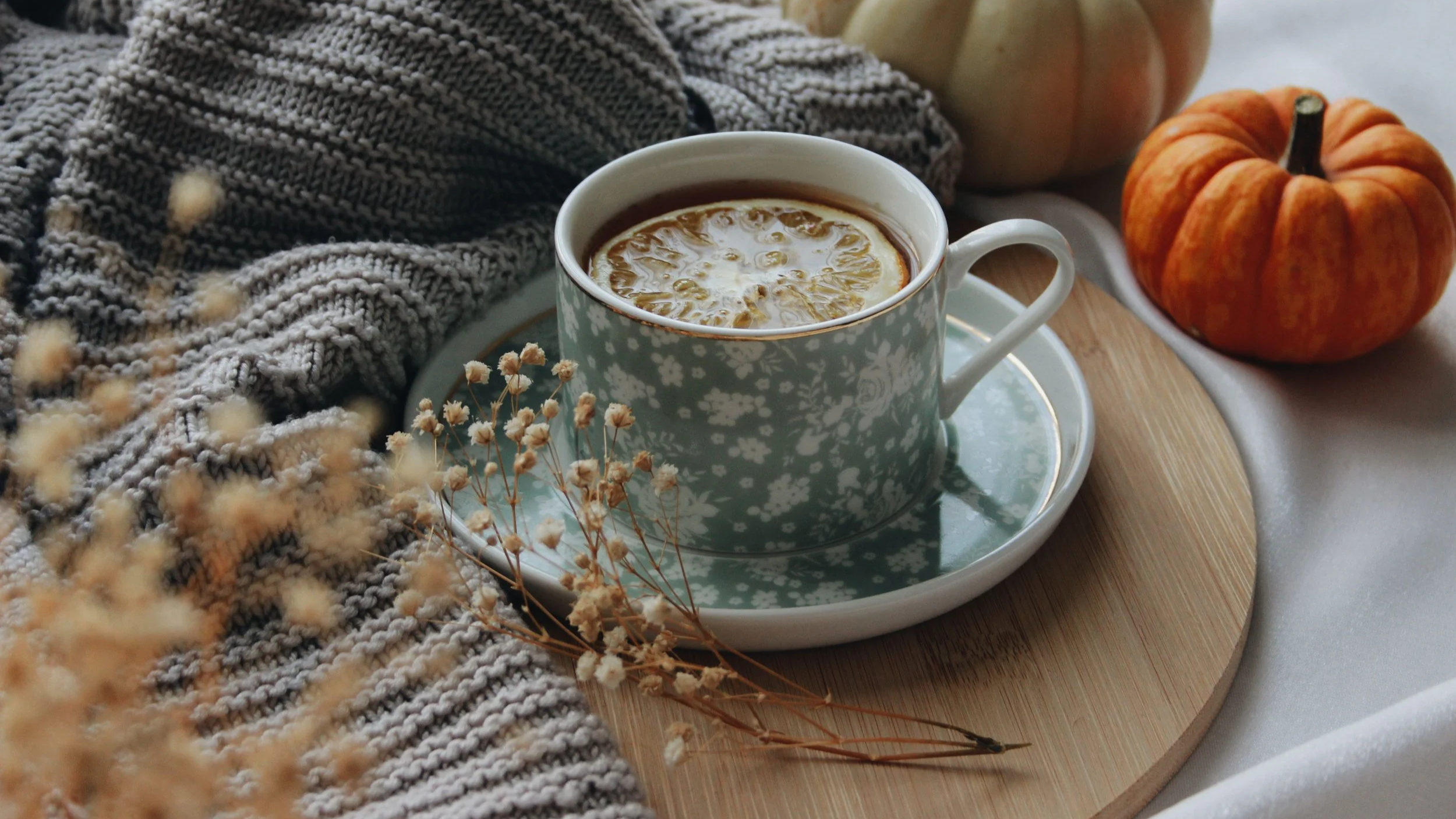
September 1 arrives and I'm ready. Pumpkin-spice coffee. Chocolate-chip pumpkin bread. Pumpkin scones. Pumpkin butter. You get the idea.
Then come the other signs of the season: amber and cardamom candles, hot apple cider, mulled wine, Oktoberfest celebrations, cooler evenings, bonfires and cozy flannel blankets.
The house gets its seasonal makeover, too: burnt orange, golden yellow and rust-colored décor, faux fall wreaths and garlands, walnut accents, pumpkins and gourds, and an array of mums for the front porch.
And then there's the television. Come September, it's permanently tuned to one of those YouTube fall ambience channels—the ones with brilliant leaves, a cozy cabin and a crackling fireplace.
There's just one problem.
I live in Central Florida.
Most of our trees are evergreen. September can still feel suspiciously like July. If I want fall, I have to create it myself. Which made me wonder: Why am I so determined to make it feel like fall? And why do so many of us start craving the same things as the season changes—warm drinks, familiar foods, soft blankets, candles, fireplaces, traditions and weekend escapes?
As a psychologist, I wanted to know what was happening beneath all that cozy. It turns out that our love of fall may have less to do with pumpkin spice than with memory, sensory associations, ritual, anticipation and connection.
And for those of us who don't get much of a fall at home, it may also explain why we're willing to travel to find one.
Cozy Is a Full-Sensory Experience
Think about what comes to mind when you picture a cozy fall day.
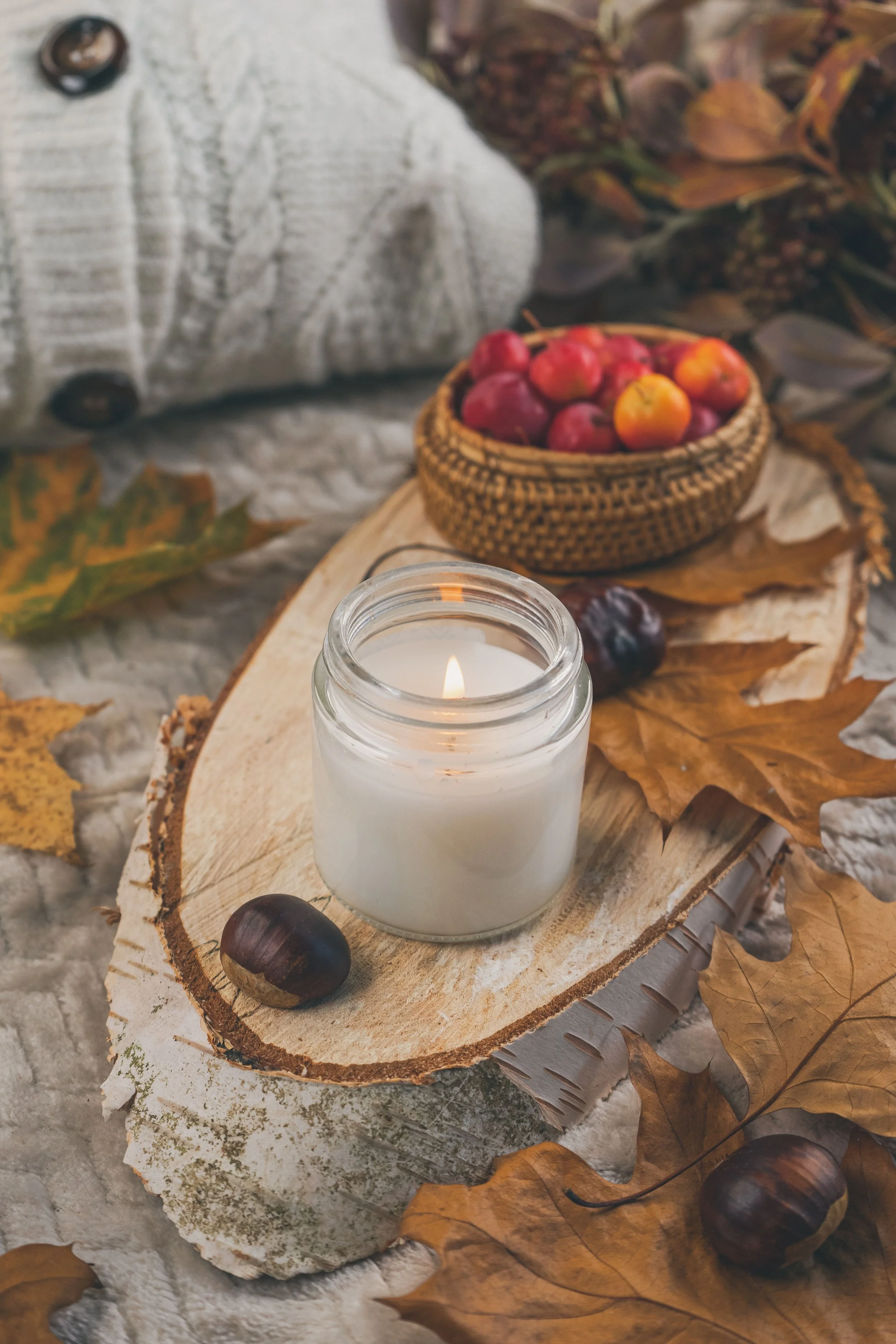
Maybe it's the smell of cinnamon or wood smoke. The warmth of a mug between your hands. A soft blanket. Leaves crunching under your feet. Rain tapping against a window. A crackling fire.
Or, in my case, the crackling fire coming from the television.
What we call “cozy” isn't one thing. It's a collection of sights, smells, tastes, sounds and textures—and the associations we've built around them.
Smell has an unusually powerful relationship with autobiographical memory. Odor-cued memories can feel more emotional and produce a stronger sense of being transported back to the original experience than memories prompted by visual or verbal cues.¹ Personally meaningful scents have also been linked with nostalgia, positive emotion and social connectedness.² So when amber, cardamom or wood smoke immediately feels like fall to me, the scent isn't working alone. It's carrying years of associations with it.
Food can do the same thing. Familiar foods tied to our own experiences can evoke nostalgia, connection and meaning.³ There is nothing inherently October-ish about pumpkin bread. Technically, I could bake it in March. But I don't. Because somewhere along the way, pumpkin became part of my personal definition of fall.
Pumpkin-spice coffee doesn't just taste like coffee anymore.
It tastes like the beginning of a season.
My Fall Used to Look Very Different
Before we lived in Florida, we lived in Virginia, where fall required considerably less imagination. The air actually got crisp. Leaves changed color. Sweaters served a legitimate meteorological purpose.
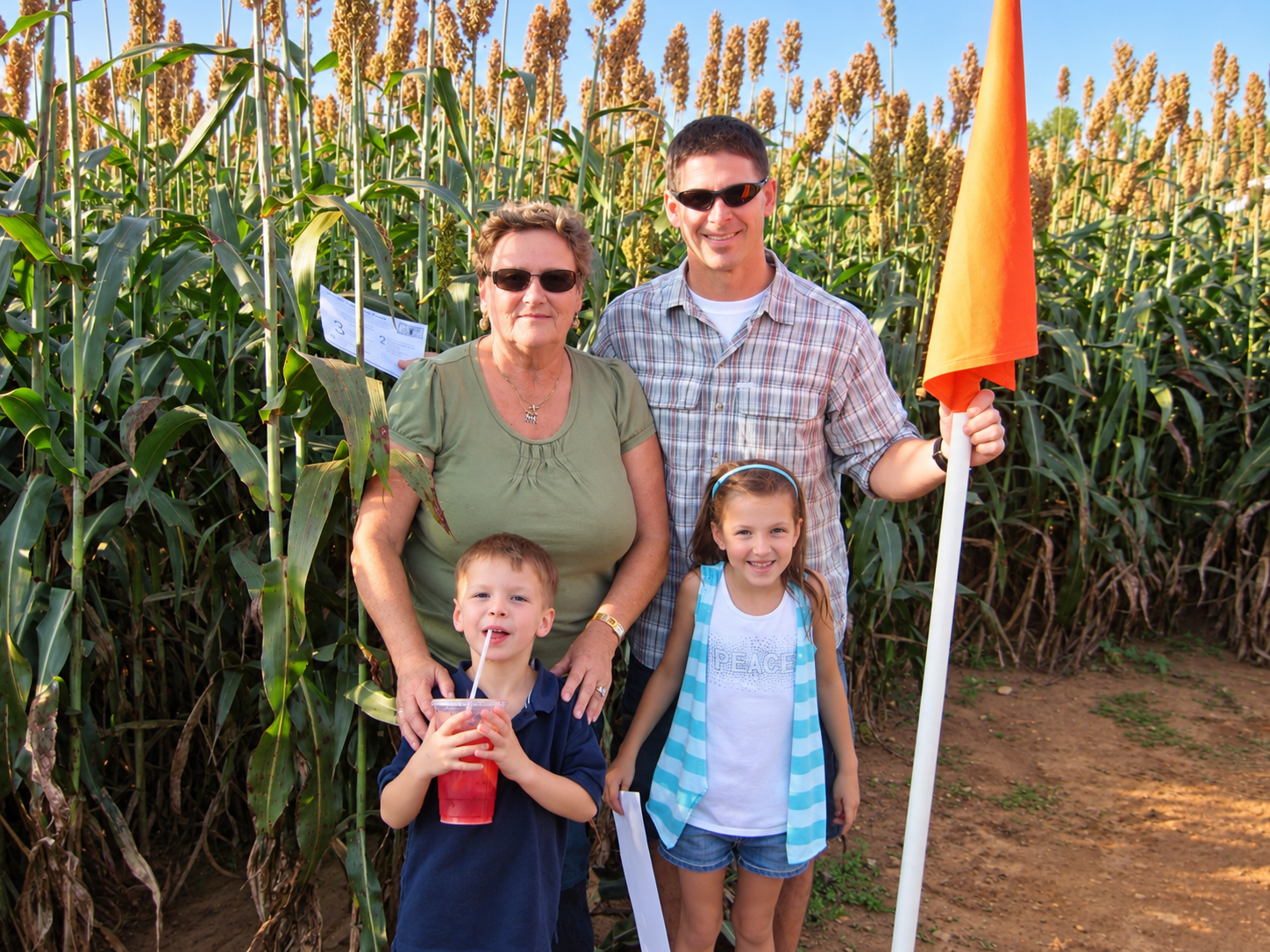
And when our kids were young, fall came with traditions. Every year, we visited Belvedere Plantation, a working farm with a corn maze, hayrides to the pick-your-own pumpkin patch, pig races, rope swinging in the barn, a pumpkin cannon and potato-sack slides carved through the rolling hills.
And this wasn't a tidy little collection of pumpkins arranged beside a gift shop. There was an actual pumpkin field. The kids wandered through it and chose their own pumpkins—which meant, of course, that the perfect pumpkin was never the one conveniently located near the hay wagon. Callan recently told me that those annual trips are among the fall traditions she remembers most vividly from childhood.
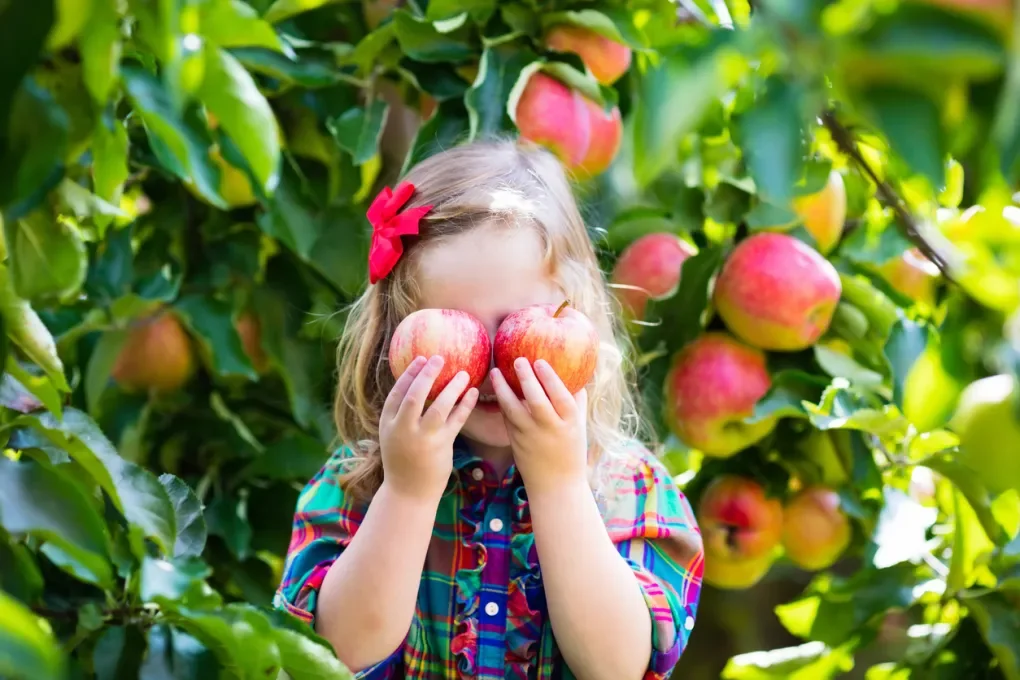
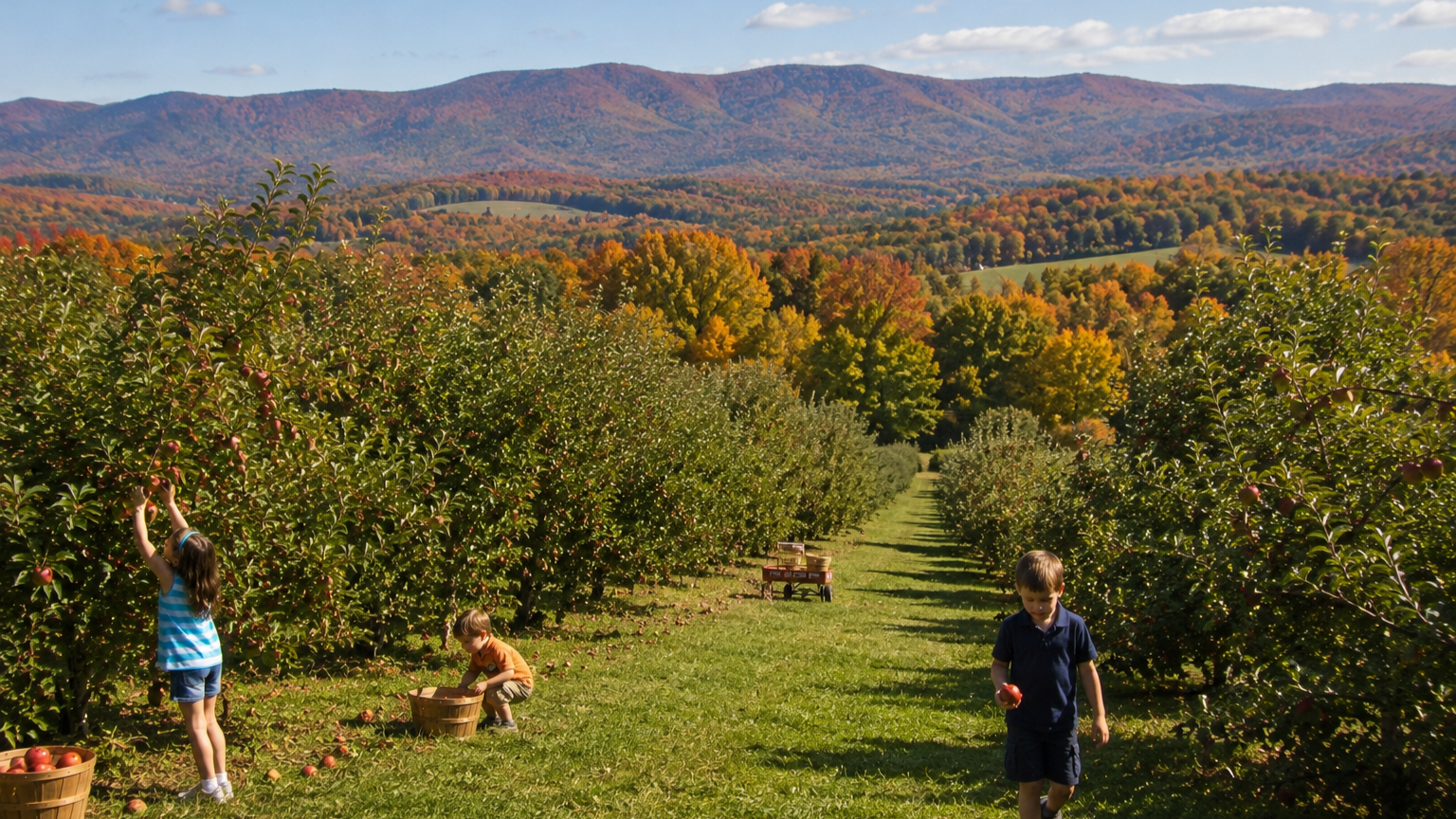
We also picked apples in the Shenandoah Valley and spent long Saturdays driving Skyline Drive, surrounded by mountains showing off in red, orange and gold. That was quintessential fall for our family.
Then we moved to Central Florida.
The landscape changed. The kids grew up. Our traditions changed with them. There was no direct Florida equivalent to those Virginia weekends—and eventually there were no little kids eagerly climbing onto the hay wagon either.
Maybe that's part of why fall still pulls at me so strongly.
Nostalgia Is More Than Missing the Past
We tend to use nostalgic as shorthand for “I miss that.”
Psychologically, it's richer than that.
Nostalgia can strengthen self-continuity—our sense that the person we were in the past is connected to the person we are today. Social connection appears to play an important role in that process.⁴
That helps explain why seasonal memories can feel happy and a little bittersweet at the same time.
I don't need my children to be little again. And I'm perfectly happy living in Florida.
But the smell of wood smoke or a hillside covered in autumn color can connect present-day me with the mother who once spent an October Saturday watching three little kids debate the merits of approximately 4,000 pumpkins.
For a moment, those chapters don't feel quite so far apart. Sometimes what we're trying to recreate isn't actually the season.
It's how that season once made us feel.
Your Fall Probably Doesn't Look Like Mine
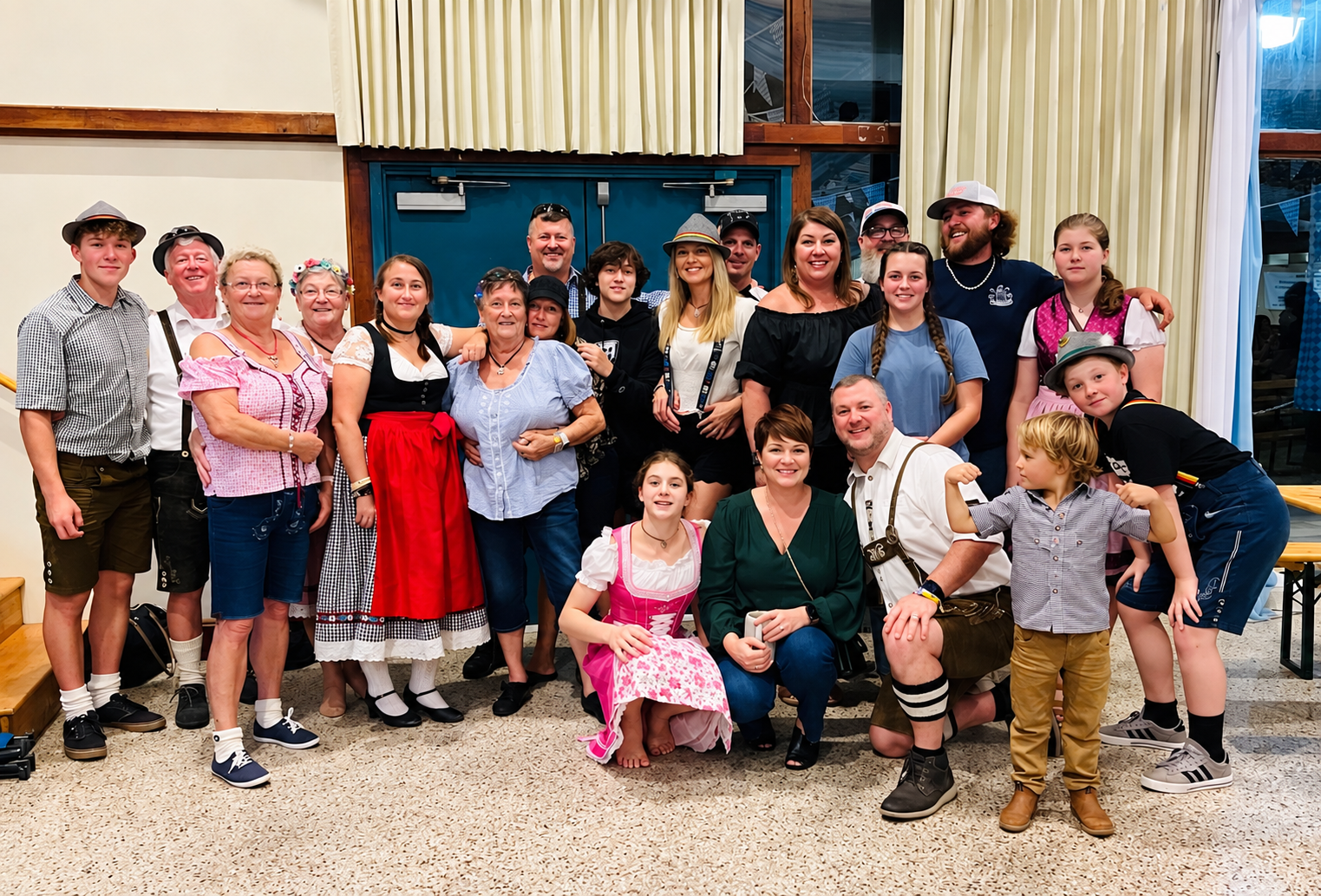
Some involve beer. My family is German, and every year about a dozen of us pull on our dirndls and lederhosen and volunteer together in the beer tent at our local German-American club's Oktoberfest.
We take orders, collect money and pour beer like a well-oiled Bavarian machine, then donate our tips to charity. The air smells like bratwurst, sauerkraut and beer while oom-pah and polka music play around us.
That may not sound like fall to you. But it absolutely sounds like fall to me. And that's the point. Our seasonal associations are personal. Certain foods, smells, sounds, people and places acquire meaning because we experience them together, often year after year.
Rituals can foster emotional regulation and social connection,⁵ and family holiday rituals have been linked with greater enjoyment through increased feelings of closeness and involvement.⁶ There's something comforting about knowing, this is what we do together.
It's also why traditions don't have to remain frozen in time to matter. Children grow up. Families move. People come and go. The places available to us change. Some traditions disappear, some evolve and new ones take their place.
My kids no longer spend October afternoons searching Virginia pumpkin fields.
But we're still pouring beer together in Florida.
Sometimes We Go Looking for Fall
There is only so much heavy lifting my faux garland and YouTube fireplace can do.
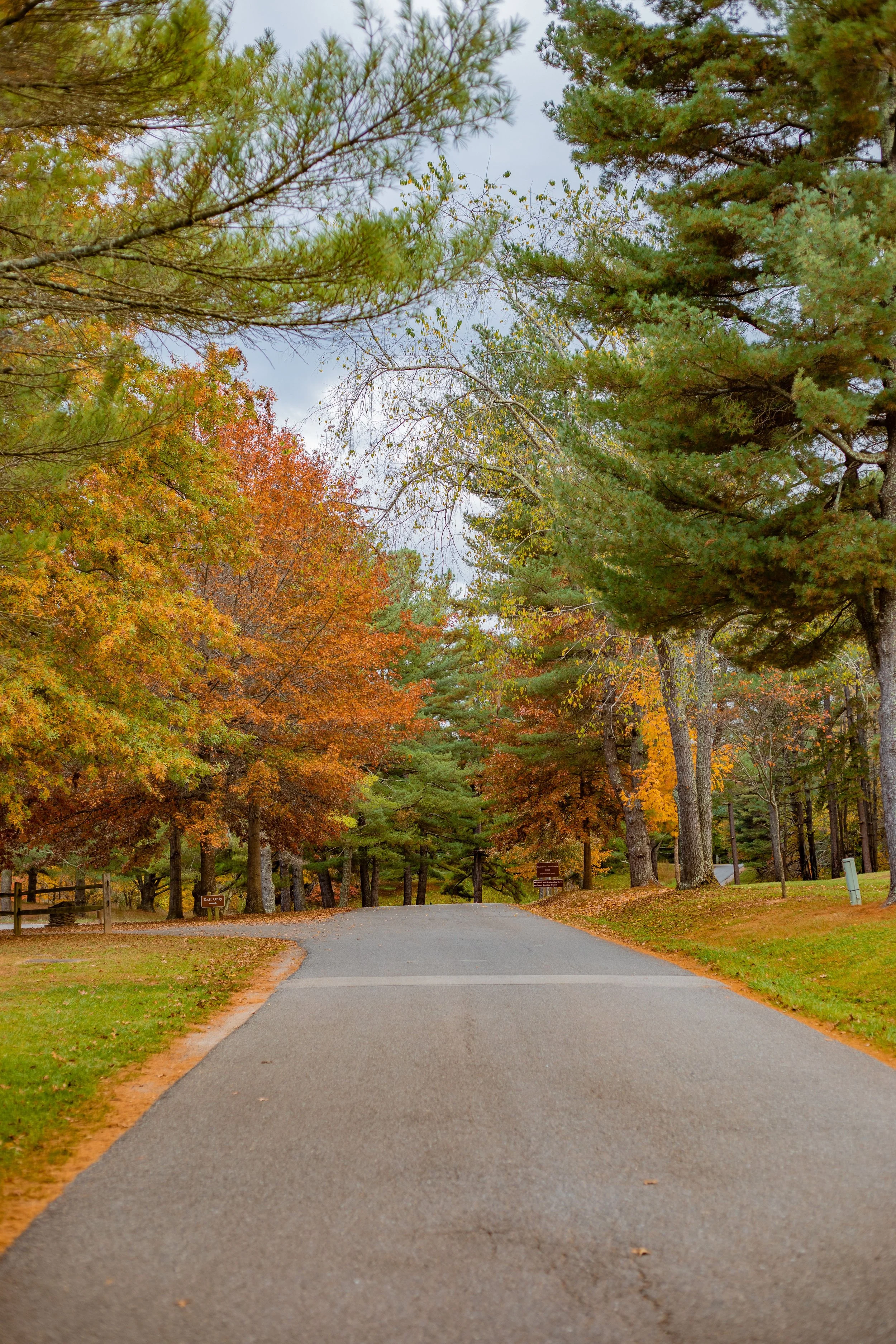
Sometimes I want the real thing. And that may be part of what makes fall travel so appealing. When you live somewhere without dramatic seasonal change, traveling in autumn can be wonderfully immersive. You don't just see fall. You step into it.
The temperature changes. The landscape changes. You smell fireplaces and damp leaves. You pull out a jacket that hasn't seen daylight in months. You drive a road surrounded by colors that simply don't exist outside your Florida window.
And the pleasure can start long before you get there. People tend to experience more pleasure and excitement anticipating experiences than waiting for material purchases.⁷
Think about planning a fall getaway. You book the cabin. Start checking the foliage forecast. Plan the hike. Find the little town where you'll stop for lunch. Picture yourself sitting beside the fireplace at the end of the day. The trip is still weeks away, and you're already enjoying pieces of it.
That's one of travel's underrated pleasures: We get to enjoy some trips before we ever take them.
Maybe that's also why we're drawn to particular fall destinations in the first place.
Of course we want to see the leaves. They're spectacular.
But perhaps we're looking for more than scenery. A cabin in the Smokies. A winding road through Shenandoah. An apple orchard. An Oktoberfest celebration. A fireplace after a cold hike. They bring together so many of the things we've learned to associate with fall: sensory cues, anticipation, tradition, memory and connection.
And when you come from a place where the predominant fall foliage is still green, there's something especially satisfying about stepping outside and thinking: Oh. Here it is.
You Don't Need Changing Leaves to Create Fall
Of course, you don't have to travel north every September to experience what makes the season meaningful.
Cook something you associate with fall. Light the candle. Get outside when the weather finally cooperates. Bring back a tradition you've neglected—or create a new one. Plan something to look forward to. Invite people you love to do it with you.
And pay attention to which parts of fall actually mean something to you, rather than simply recreating the version currently being sold on Instagram. Maybe your fall is apple orchards and brilliant foliage. Maybe it's football and chili. Maybe it's pumpkin-spice everything. Maybe it's bratwurst, lederhosen and pouring beer with your family.
Or maybe it's still 88 degrees outside, your garland is faux, your fireplace is digital, and you've placed enough mums on the front porch to make a point. It still counts.
Because cozy isn't really a temperature, a destination or a decorating style. It's the sights, smells, tastes, memories and rituals that tell us: This season is here. I've been here before. And I know how this feels.
And when Florida refuses to cooperate?
Well, that's what fall travel is for.
References
Herz, R. S., & Schooler, J. W. (2002). A naturalistic study of autobiographical memories evoked by olfactory and visual cues: Testing the Proustian hypothesis. The American Journal of Psychology, 115(1), 21–32.
Reid, C. A., Green, J. D., Wildschut, T., & Sedikides, C. (2015). Scent-evoked nostalgia. Memory, 23(2), 157–166.
Reid, C. A., et al. (2023). Food-evoked nostalgia. Cognition and Emotion, 37(1), 34–48.
Sedikides, C., et al. (2016). Nostalgia fosters self-continuity: Uncovering the mechanism (social connectedness) and consequence (eudaimonic well-being). Emotion, 16(4), 524–539.
Hobson, N. M., et al. (2018). The psychology of rituals: An integrative review and process-based framework. Personality and Social Psychology Review, 22(3), 260–284.
Sezer, O., Norton, M. I., Gino, F., & Vohs, K. D. (2016). Family rituals improve the holidays. Journal of the Association for Consumer Research, 1(4).
Kumar, A., Killingsworth, M. A., & Gilovich, T. (2014). Waiting for Merlot: Anticipatory consumption of experiential and material purchases. Psychological Science, 25(10), 1924–1931.
